

Authentic Japanese walking garden with a large pond in Belgium
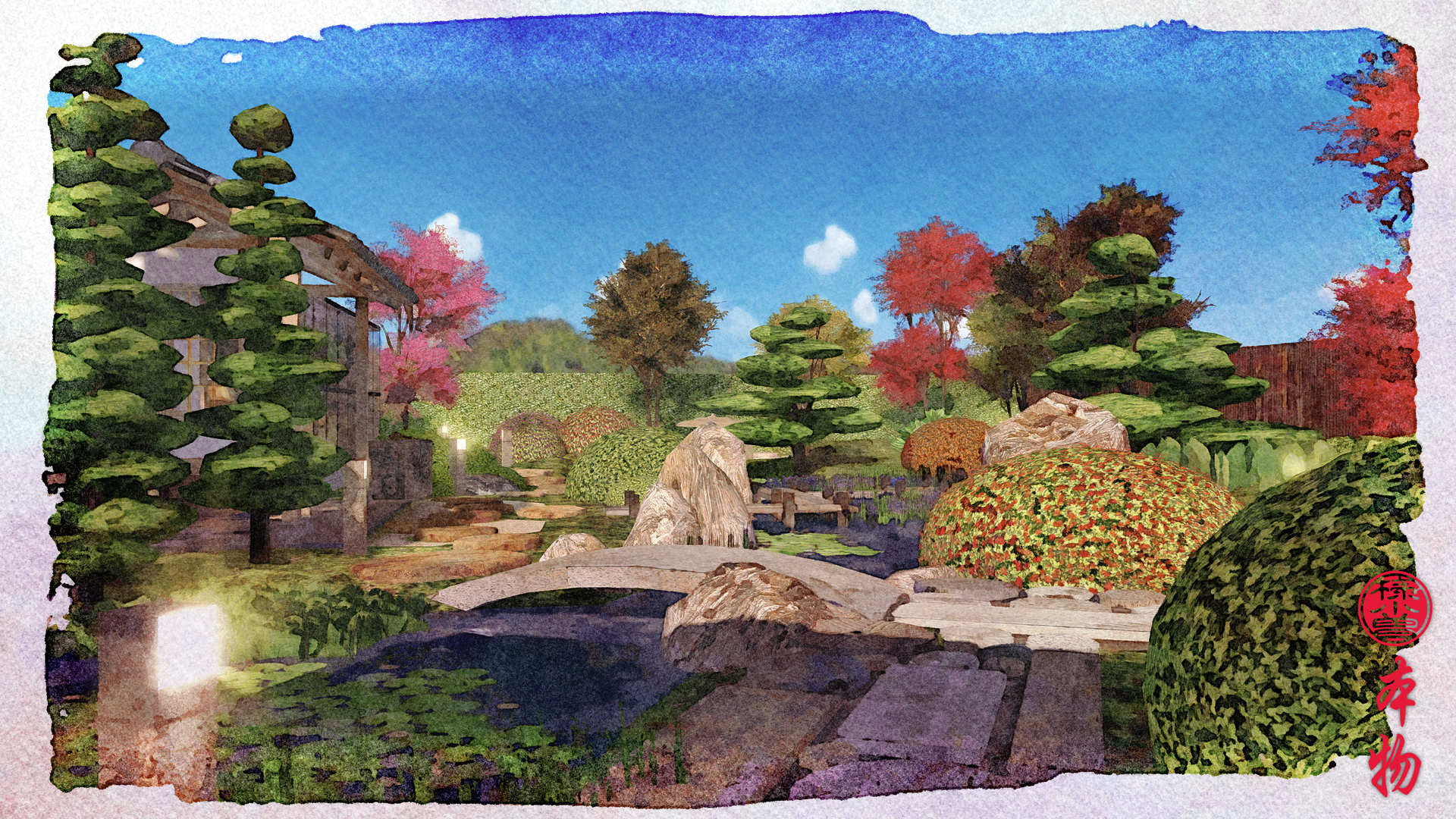
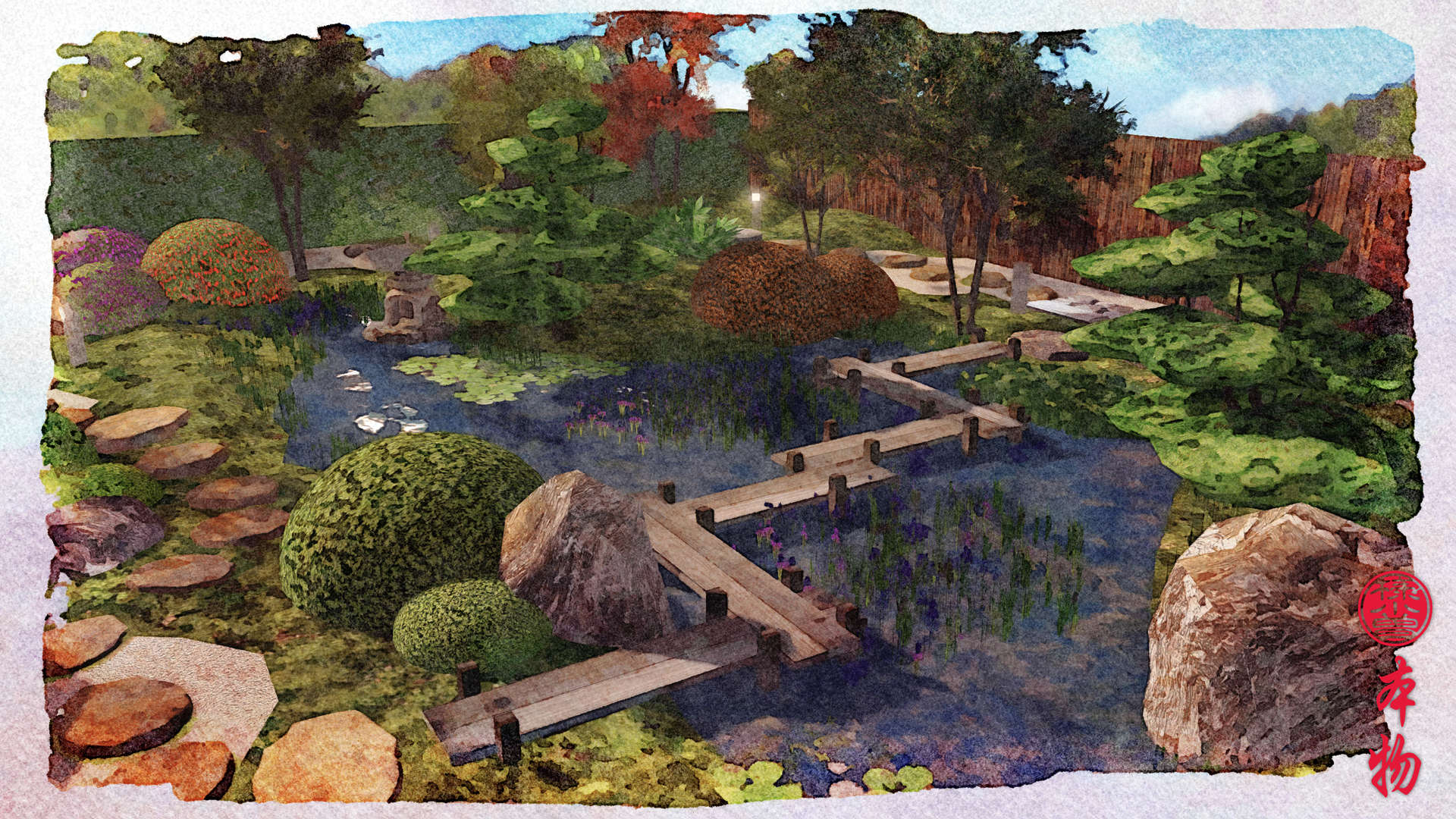
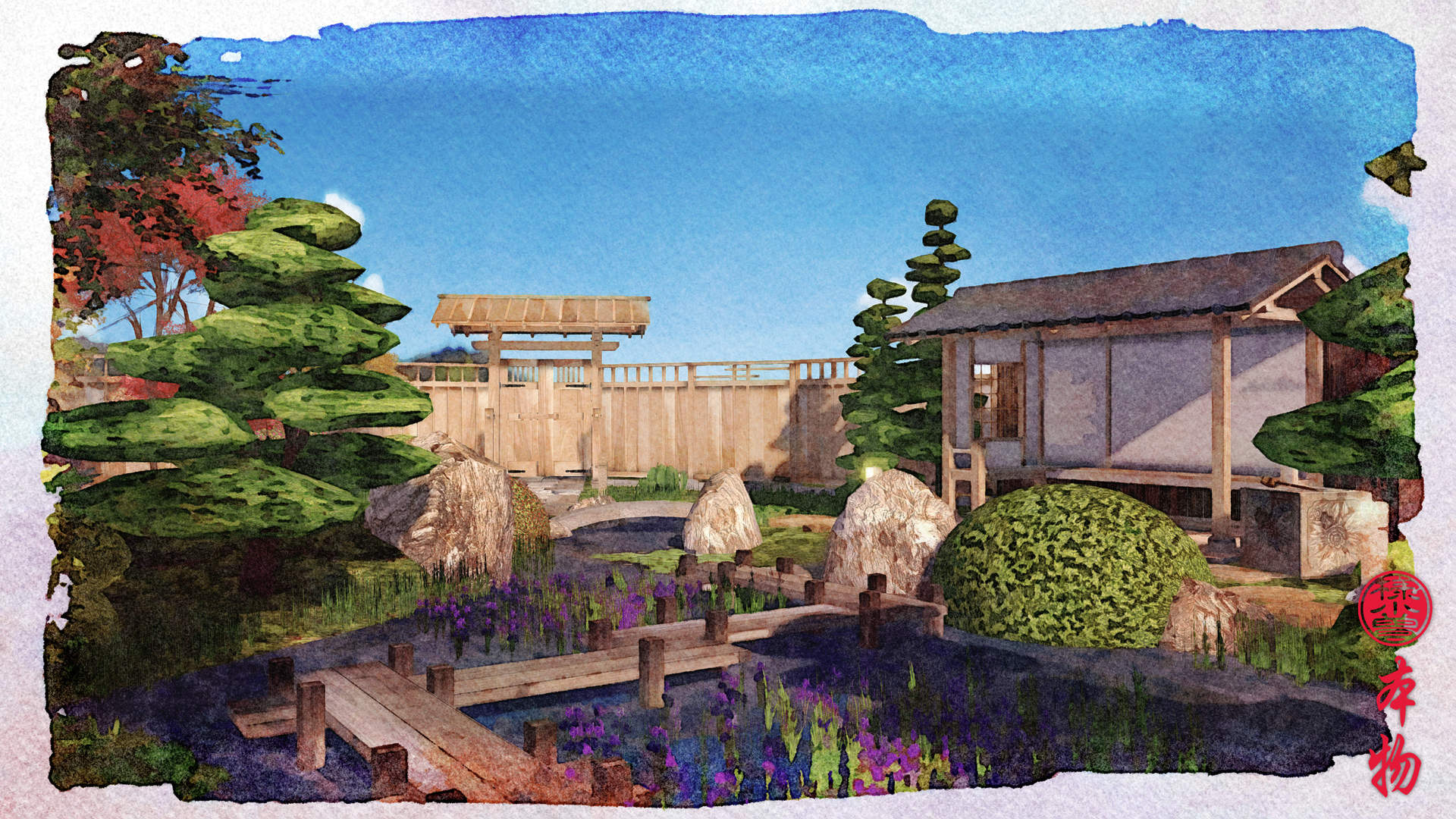
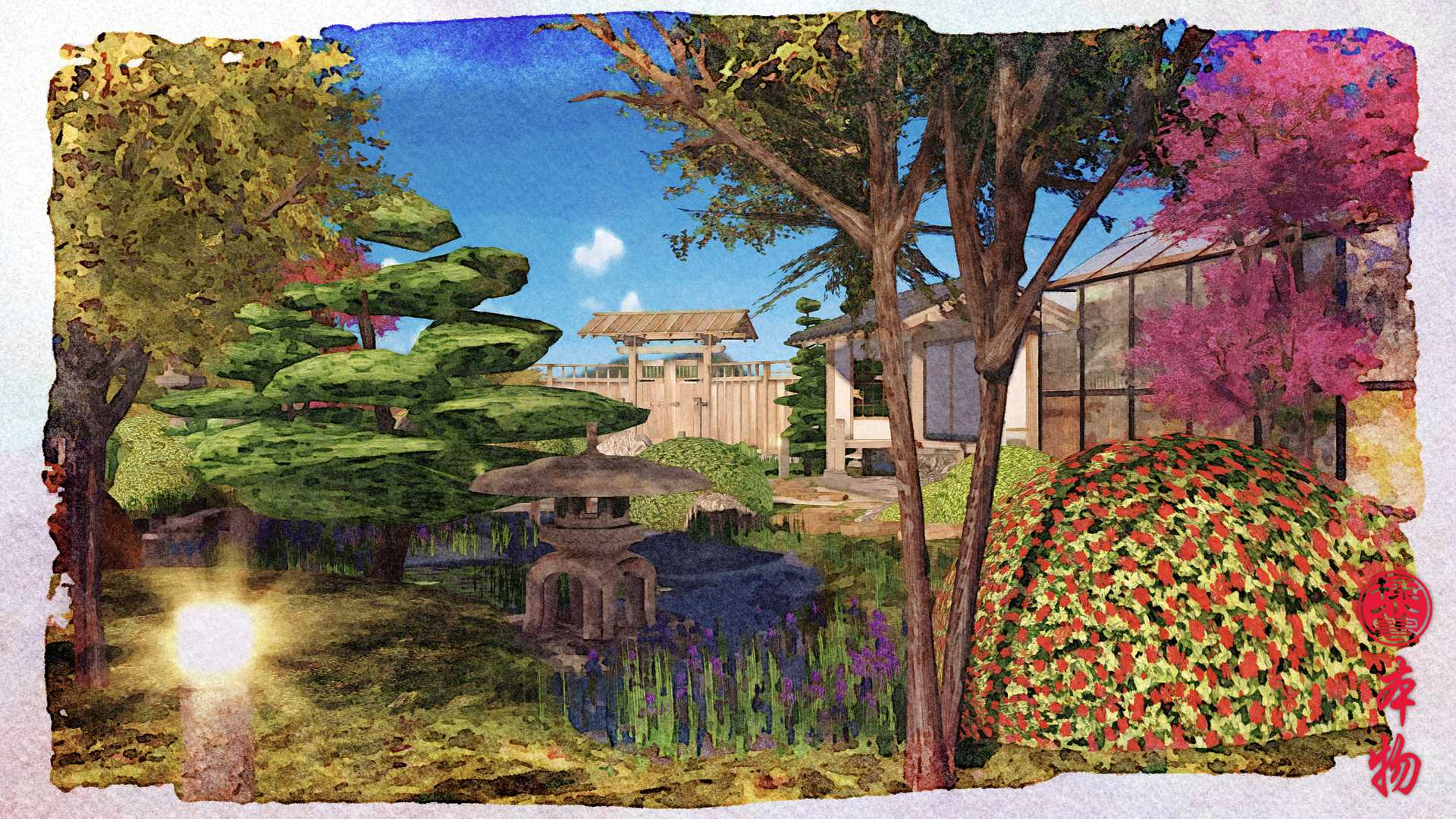
The design of this special Japanese walking garden began with an extensive visit to the location, where the natural environment and the wishes of the clients were central. During personal discussions, the desired appearance, spatial layout, and special garden elements were discussed. Based on this, we developed a detailed 3D garden design, in which all components were carefully coordinated.
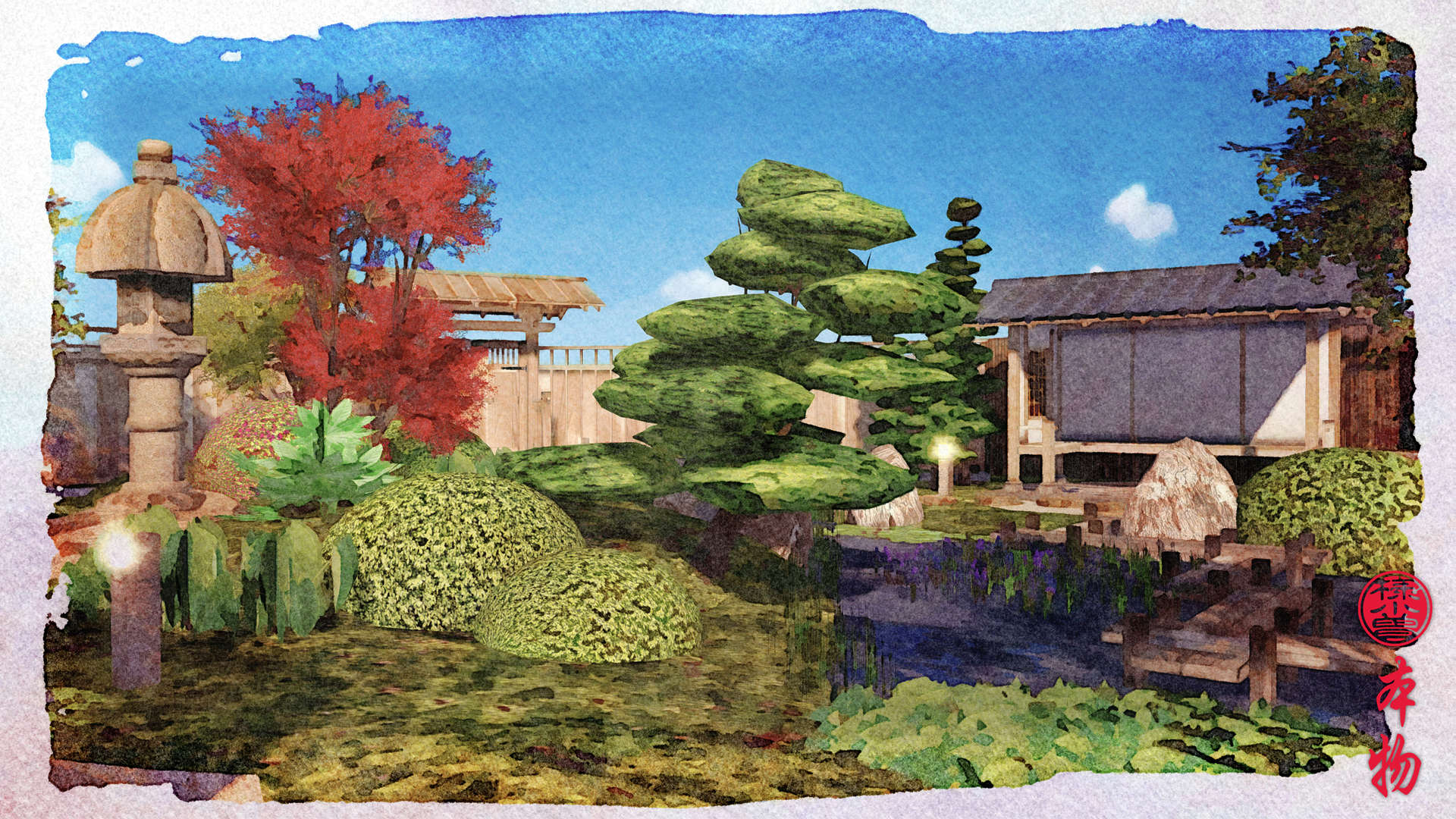
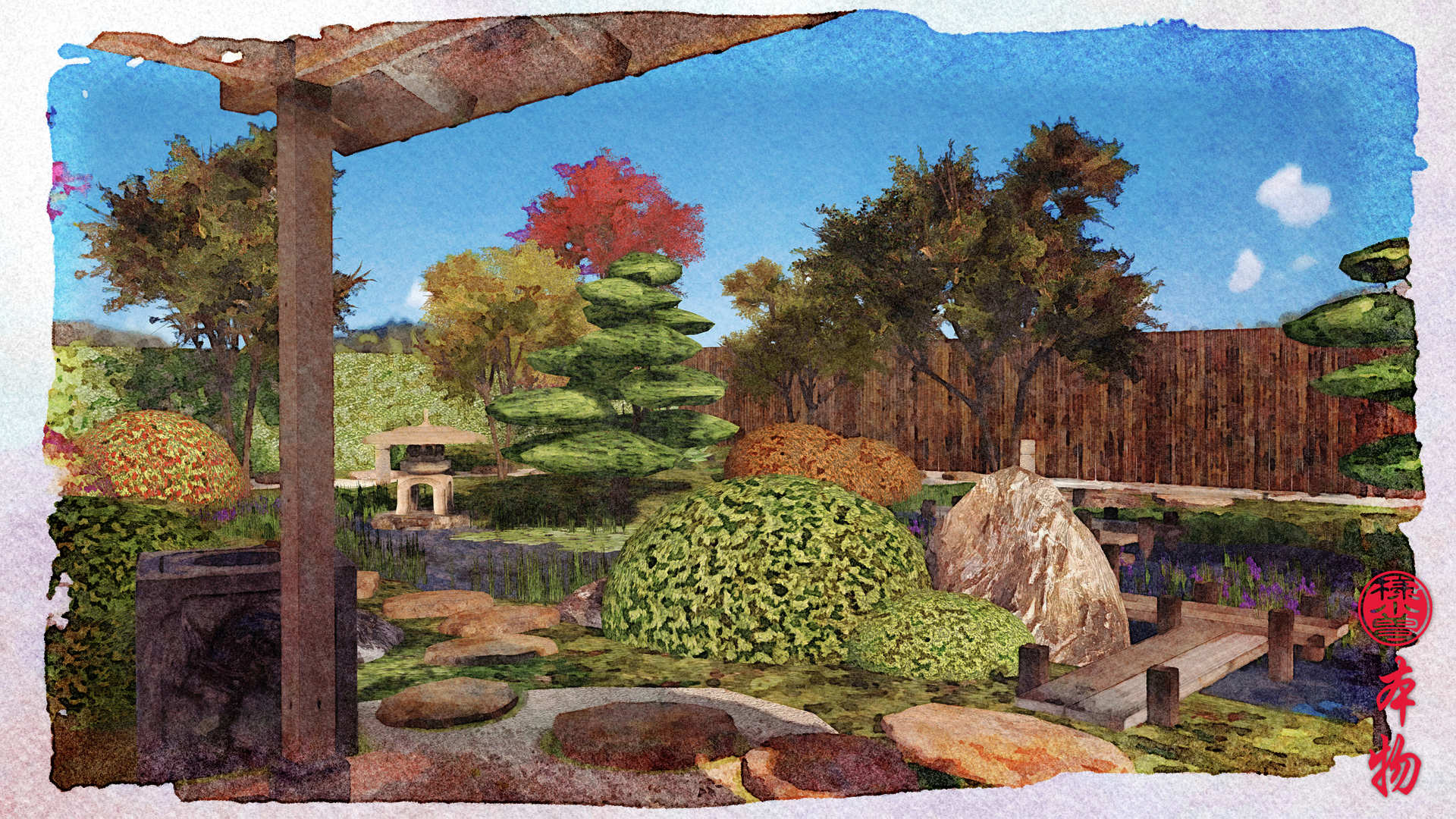
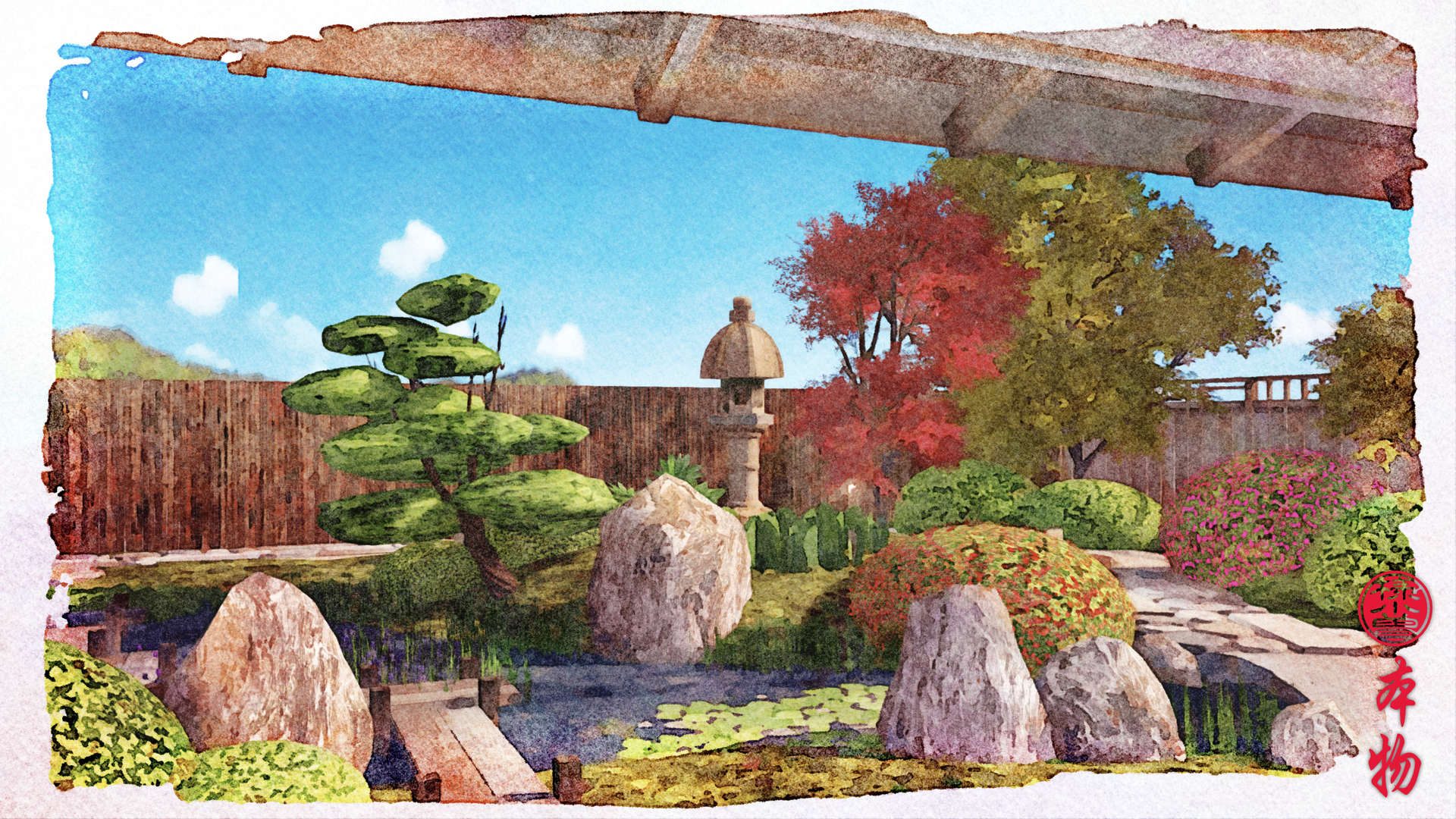
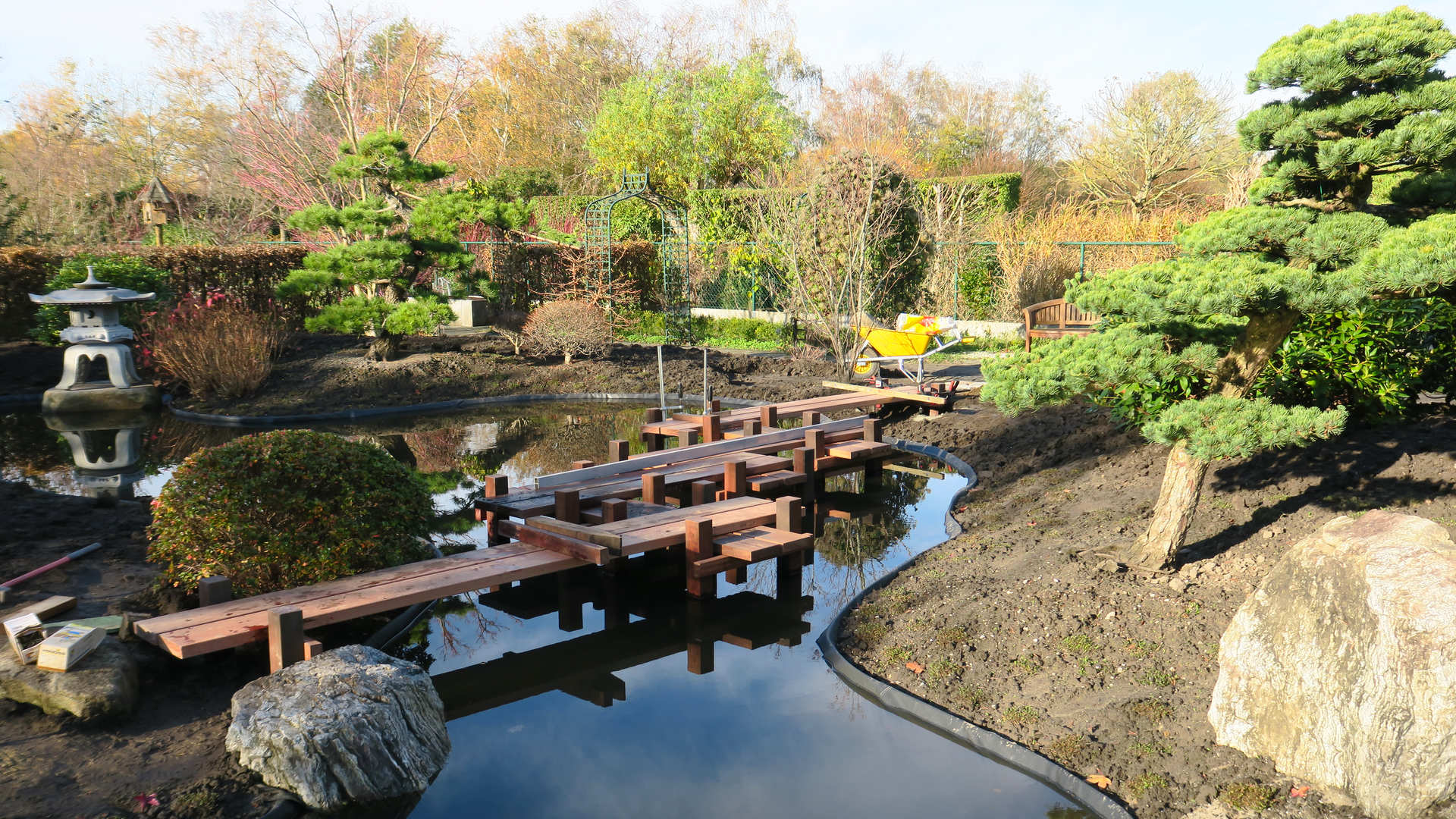
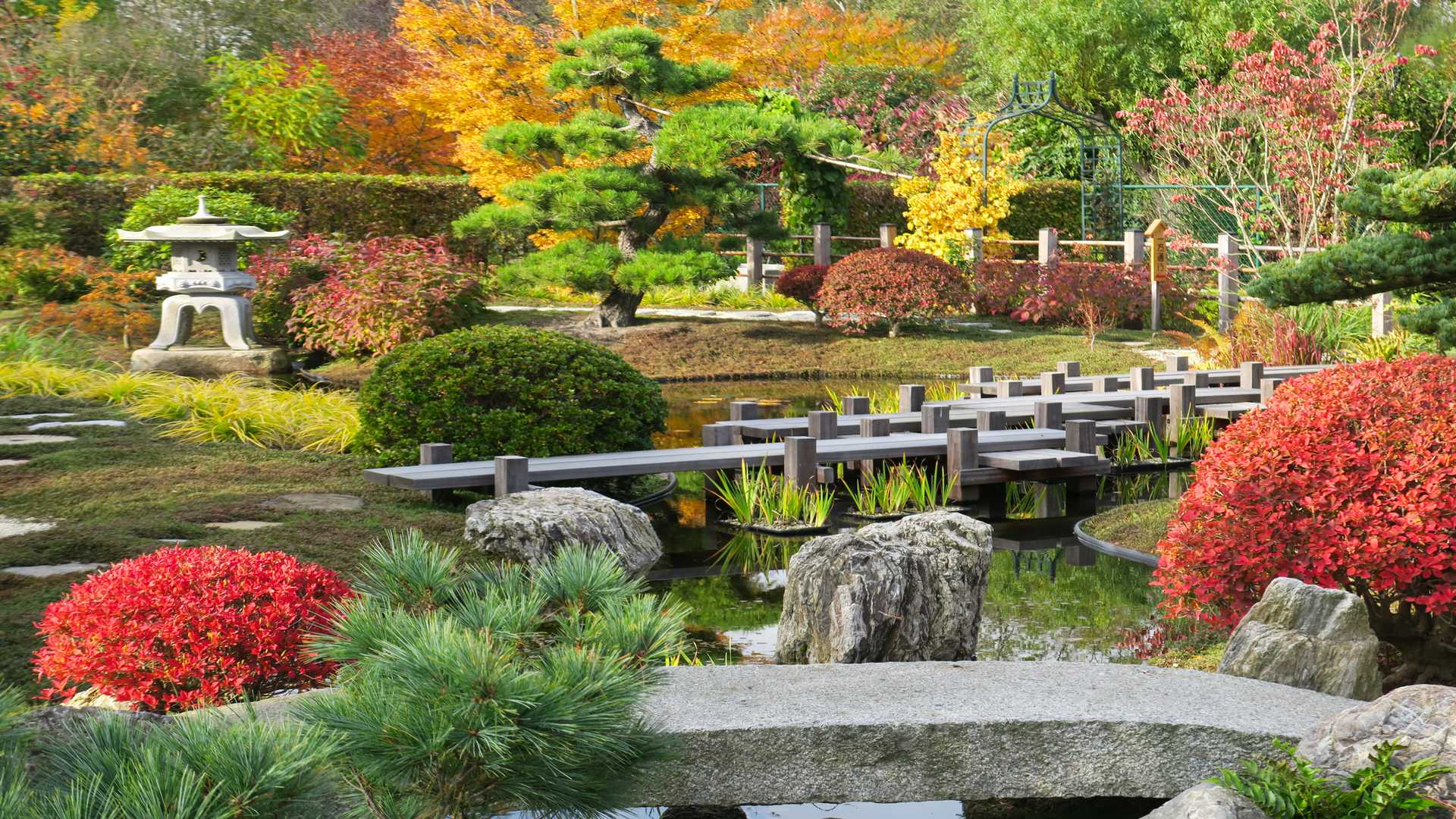
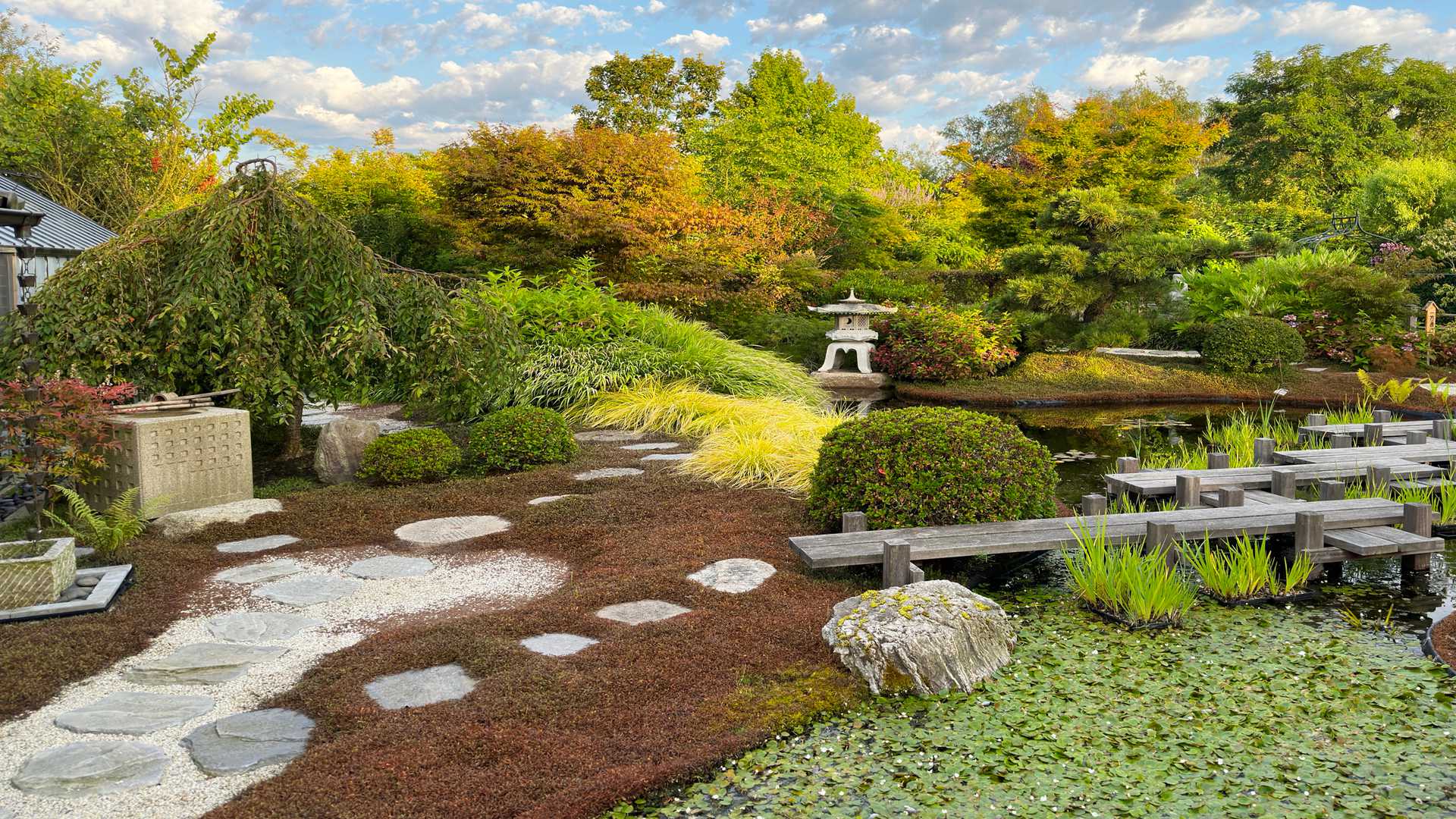
The heart of the design is formed by a large, naturally landscaped pond with irises, which can be crossed via the traditional Yatsuhashi bridge, or a bridge with steps at the rear. Around this water feature unfolds a varied landscape of walking paths, special viewpoints and authentic Japanese garden elements. Water, natural stone, vegetation and traditional architecture were combined to create a balanced composition with natural transitions.
As inspiration, the traditional Japanese Kaiyū-shiki teien was used; a walking garden in which the landscape gradually reveals itself during a walk. Carefully placed paths and plantings create new perspectives and surprising glimpses each time, making each walk a unique experience. Special attention was paid to the correct proportions and the preservation of an authentic Japanese atmosphere.
Thanks to the detailed 3D visualization, the clients were able to experience in advance what the future garden landscape would look like before construction began. The design was received with great enthusiasm and thus formed the basis for the creation of an authentic Japanese walking garden, where nature, tradition and sophisticated garden architecture come together.
Details
- Year 2020
- Location Belgium
- Project duration 40 days
Authentic Japanese walking garden with a large pond in Belgium
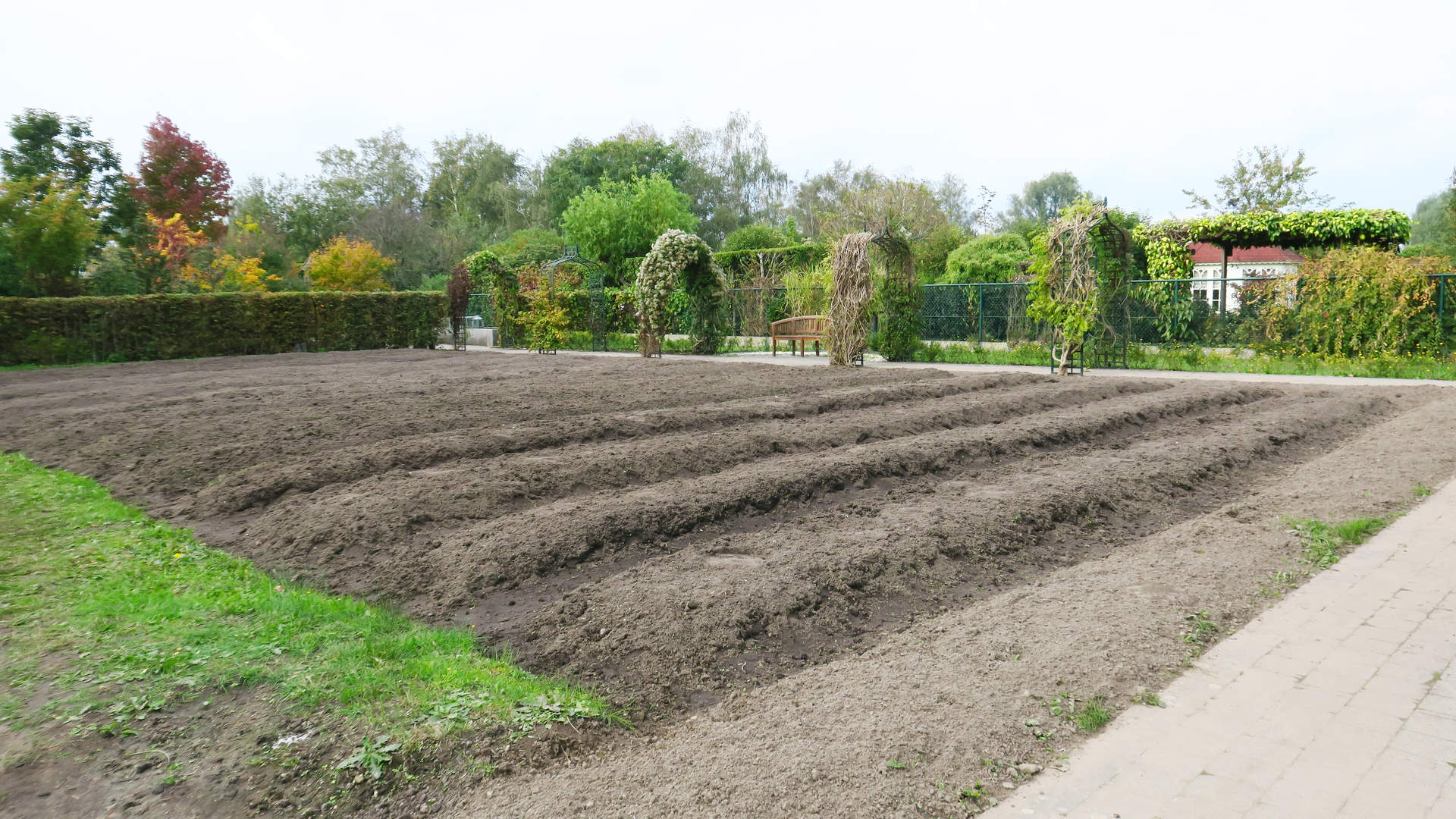
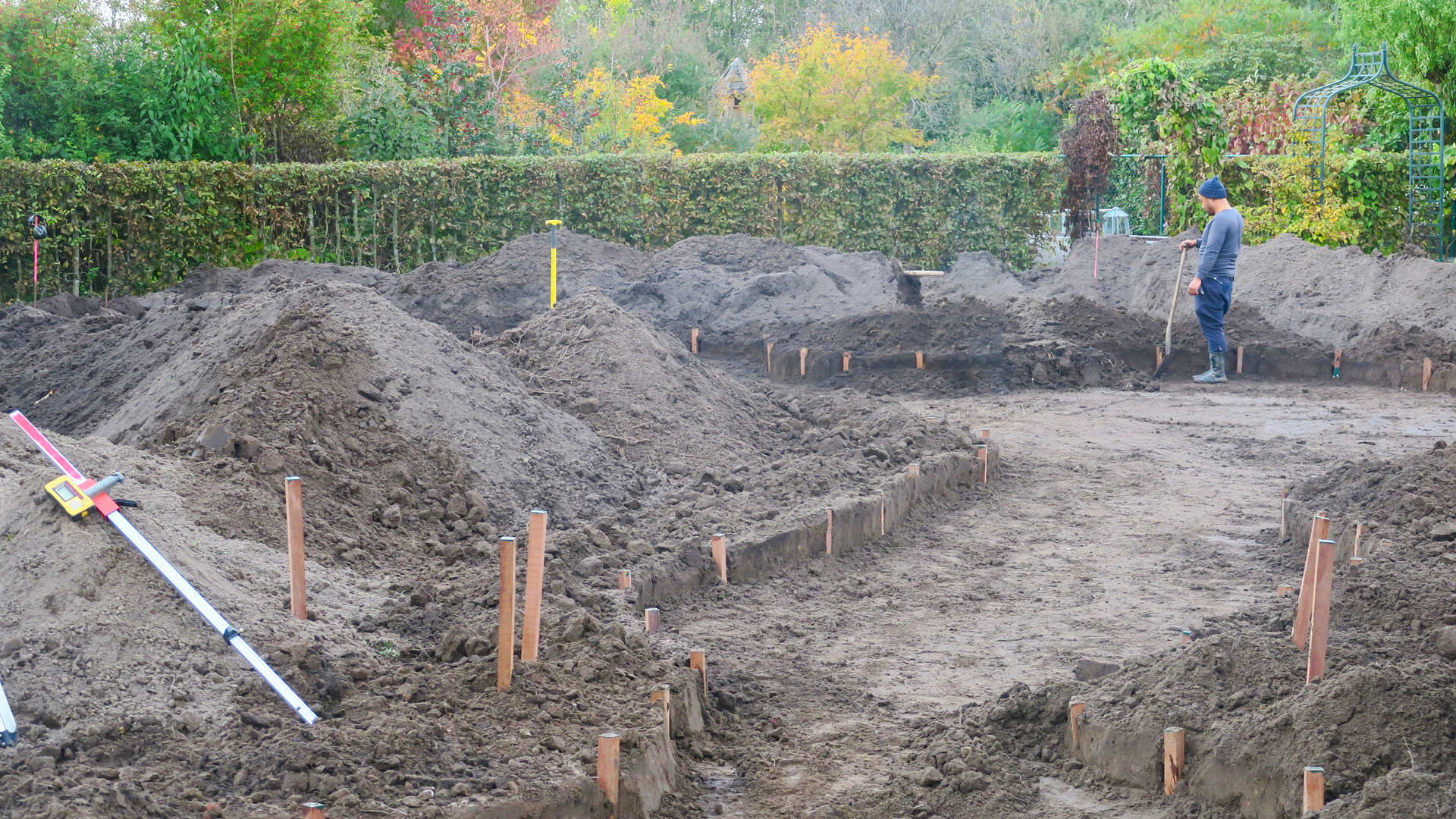
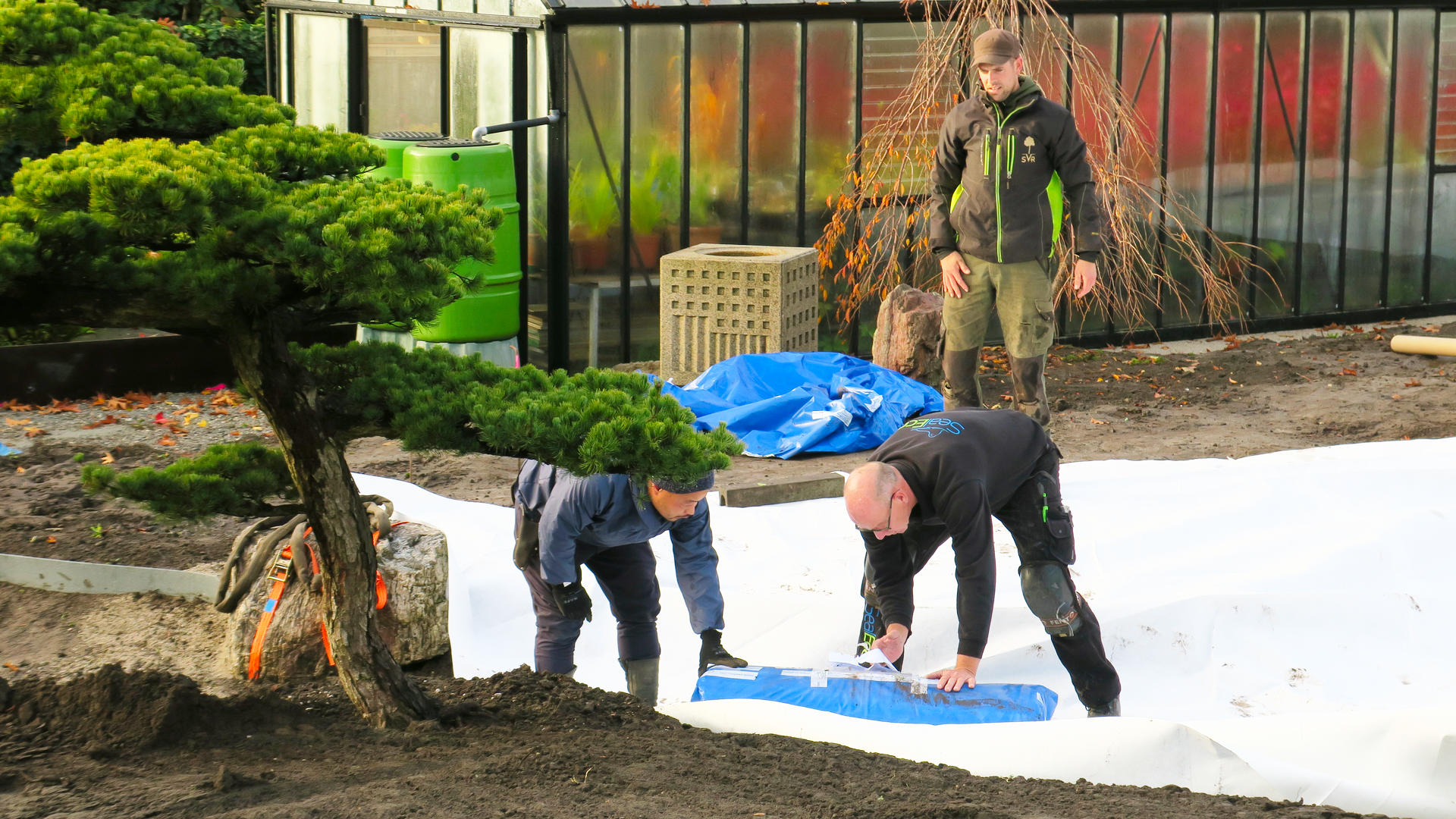
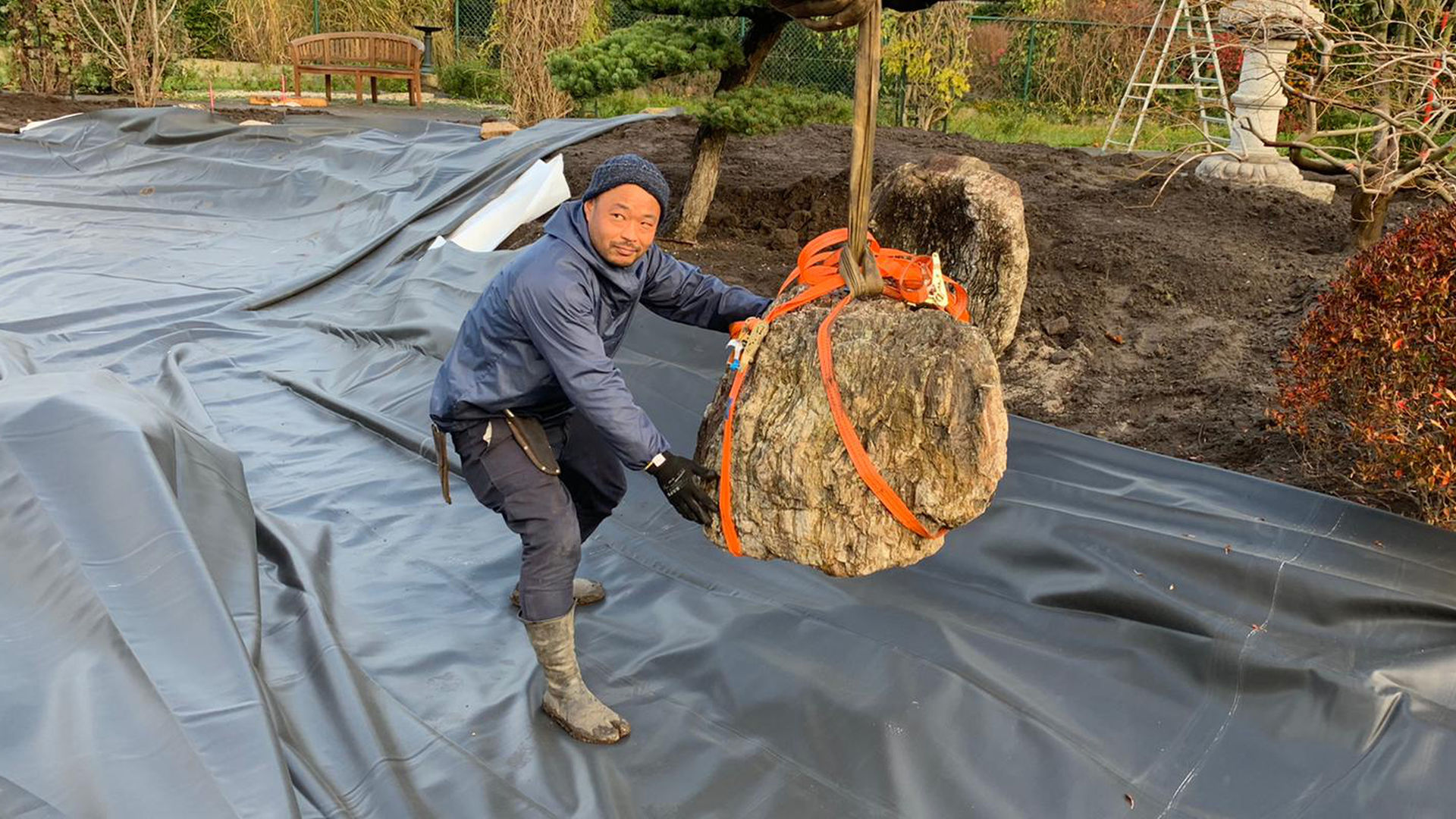
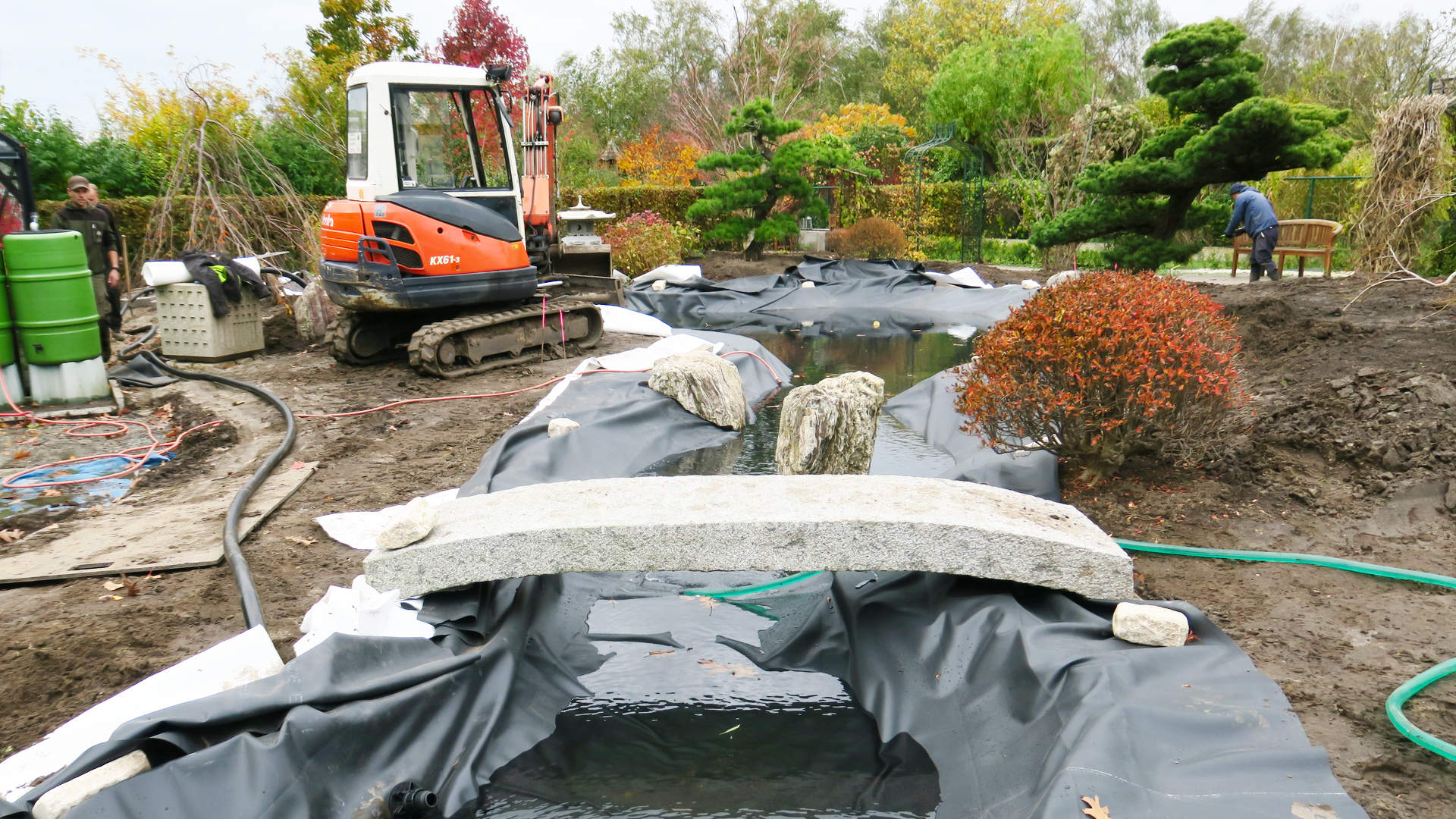
The construction of this special Japanese walking garden required a combination of technical expertise, traditional craftsmanship, and deep knowledge of Japanese garden architecture. The work began with the excavation and shaping of the central pond and the meandering stream. After the installation of the waterproof structure, the water-filled centerpiece of the garden emerged, whose natural shoreline formed the basis for the surrounding landscape.
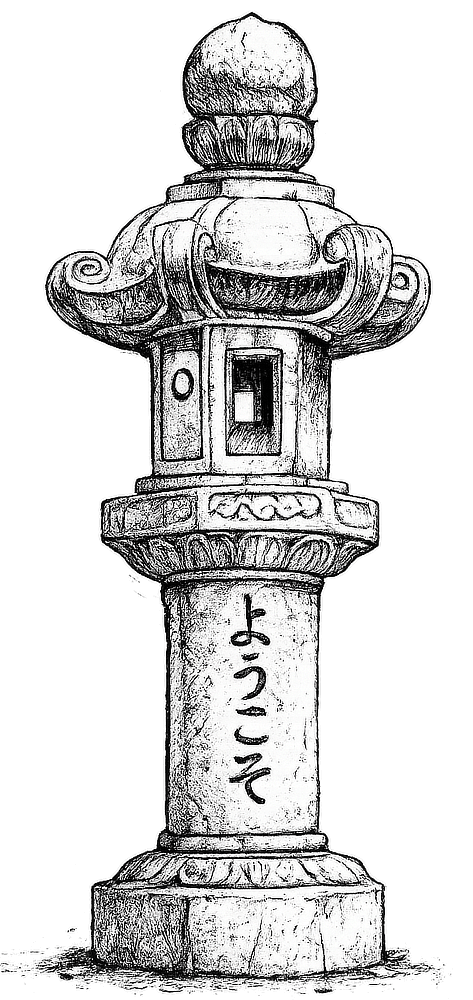
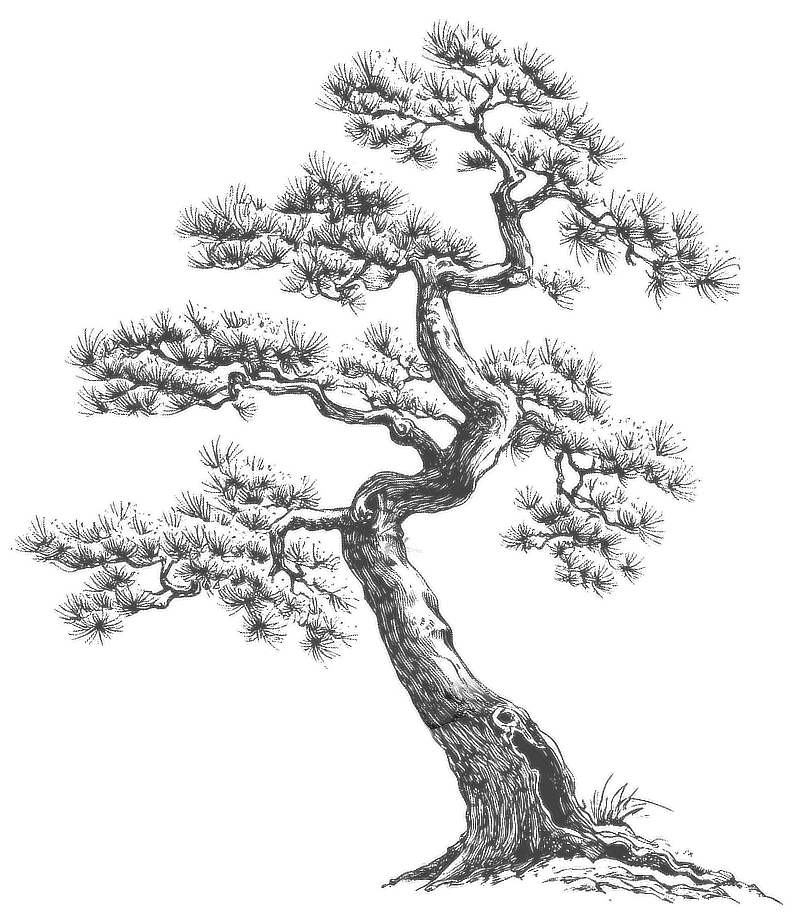
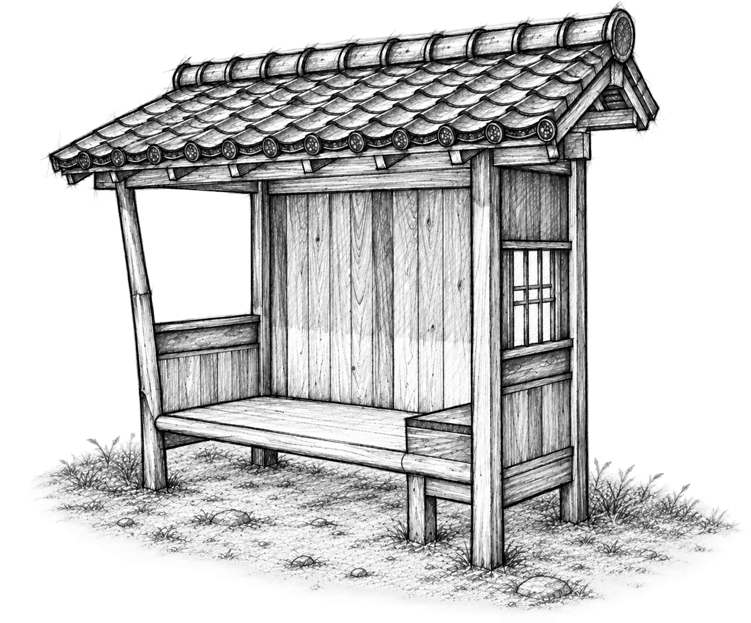
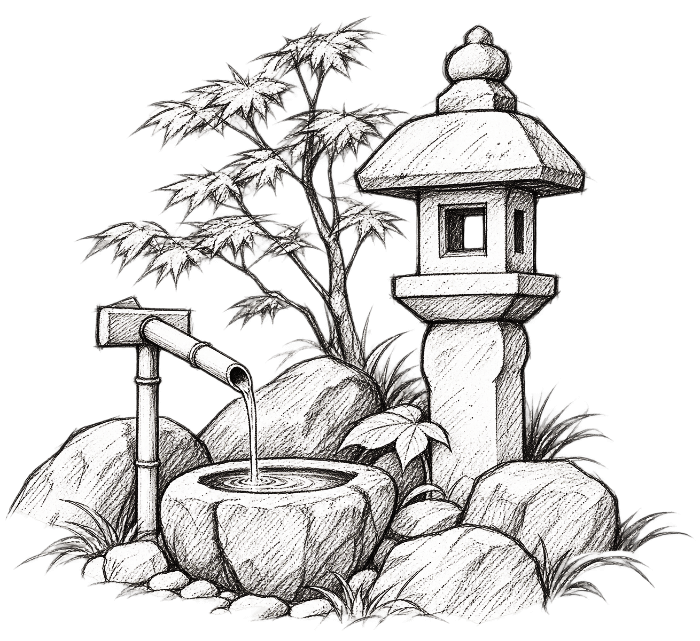
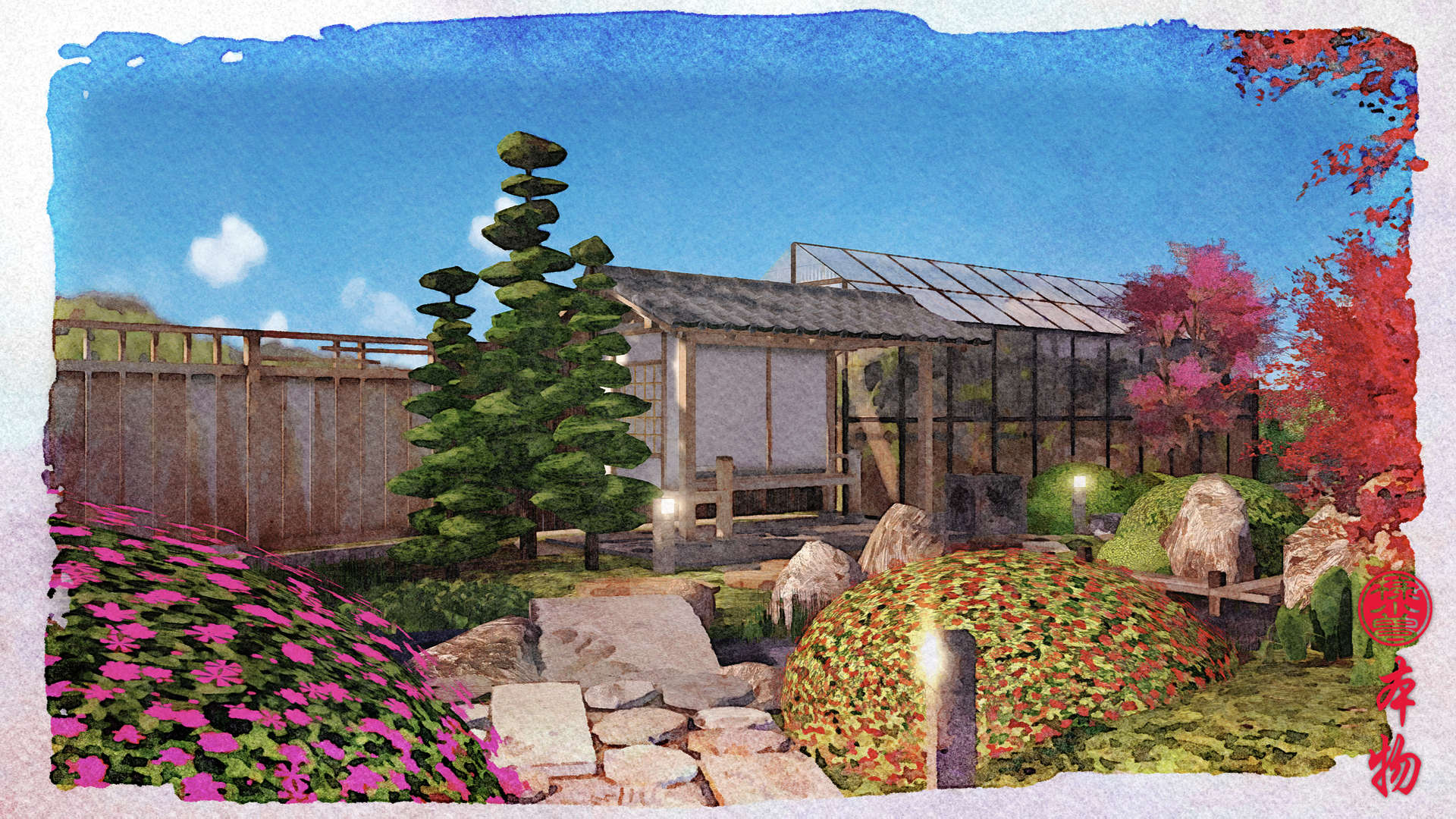
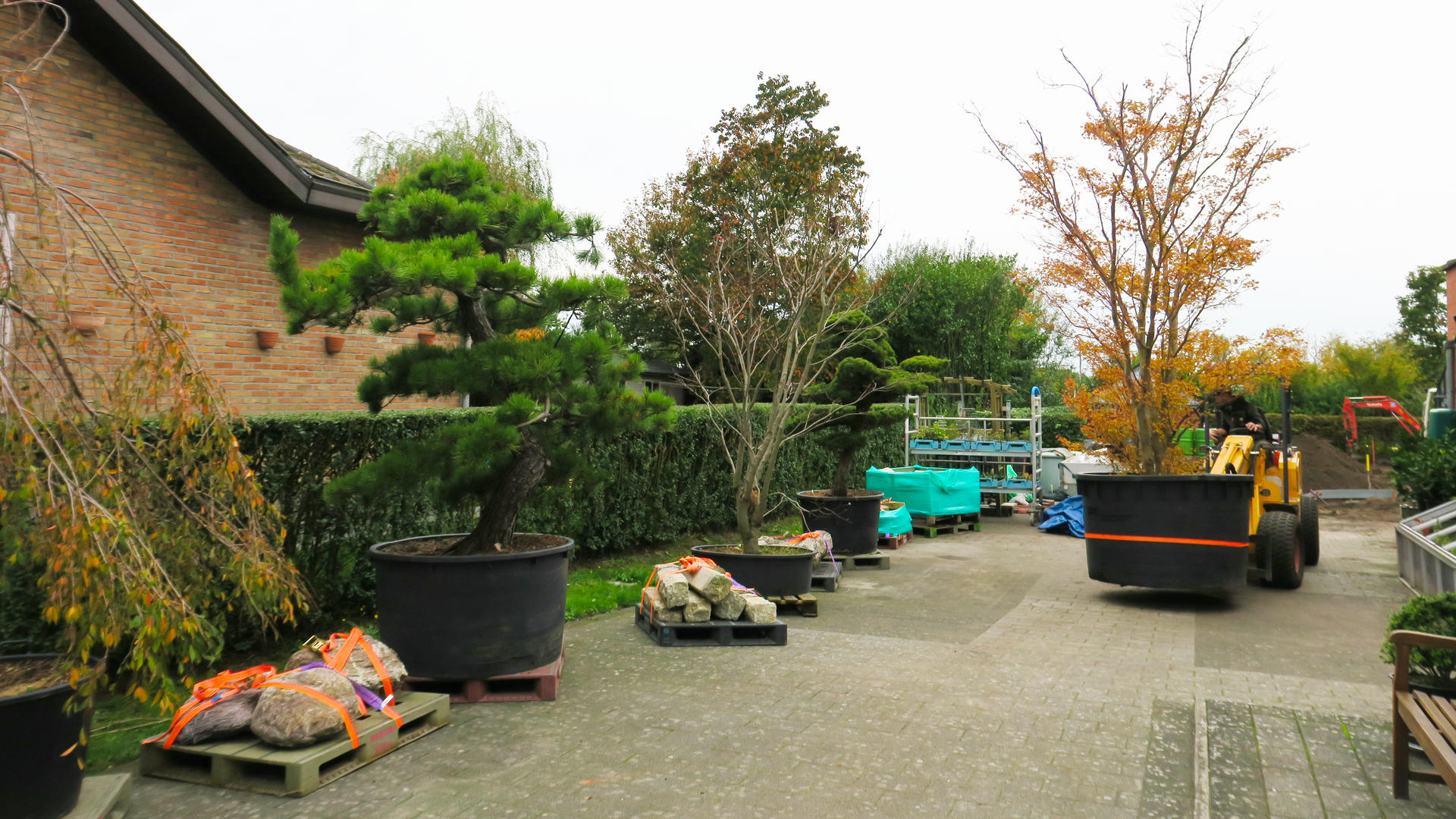
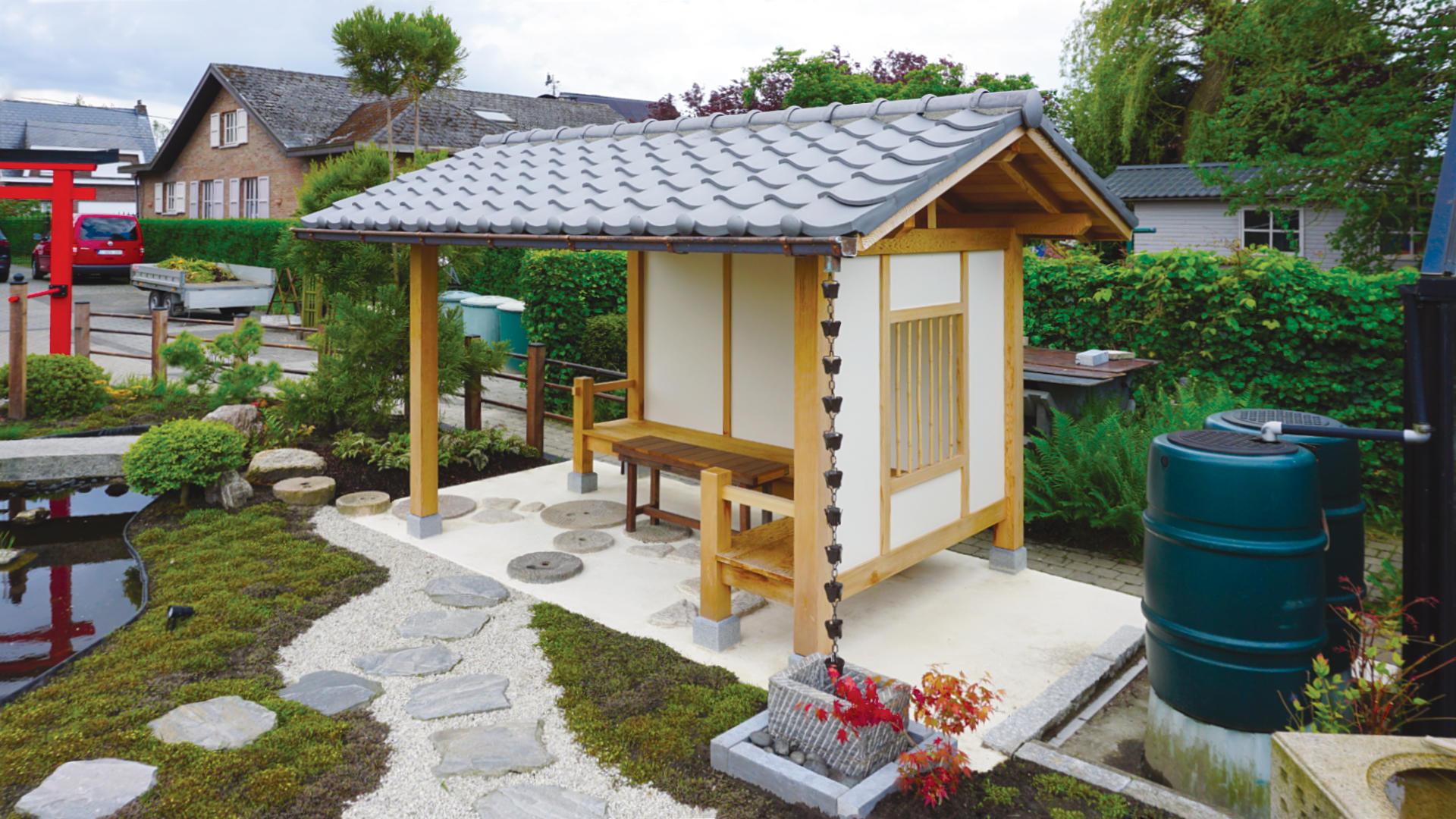
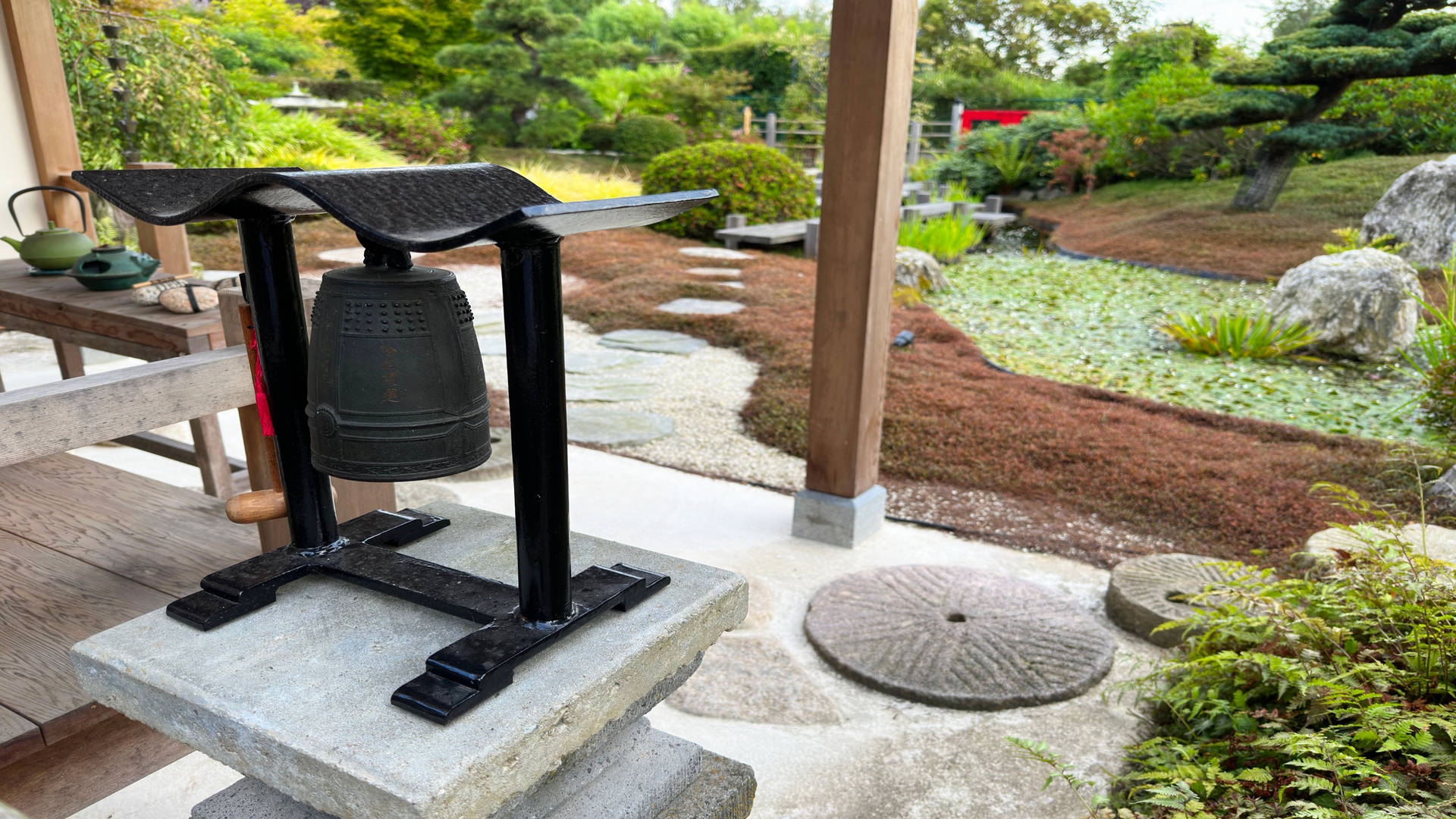
At the same time, authentic Japanese garden ornaments and characteristic plantings were carefully placed. An imposing Kasuga-dōrō, a Yukimi-dōrō, and a special Ginkaku-ji Chōzubachi for the traditional Tsukubai arrangement each found their own place. Japanese pines, cedars, and azaleas trimmed in cloud-like shapes created a balanced composition. Our specialized woodworkers also created a traditional Koshikake, inspired by the Japanese tea garden, which provides a sheltered retreat overlooking the landscape.
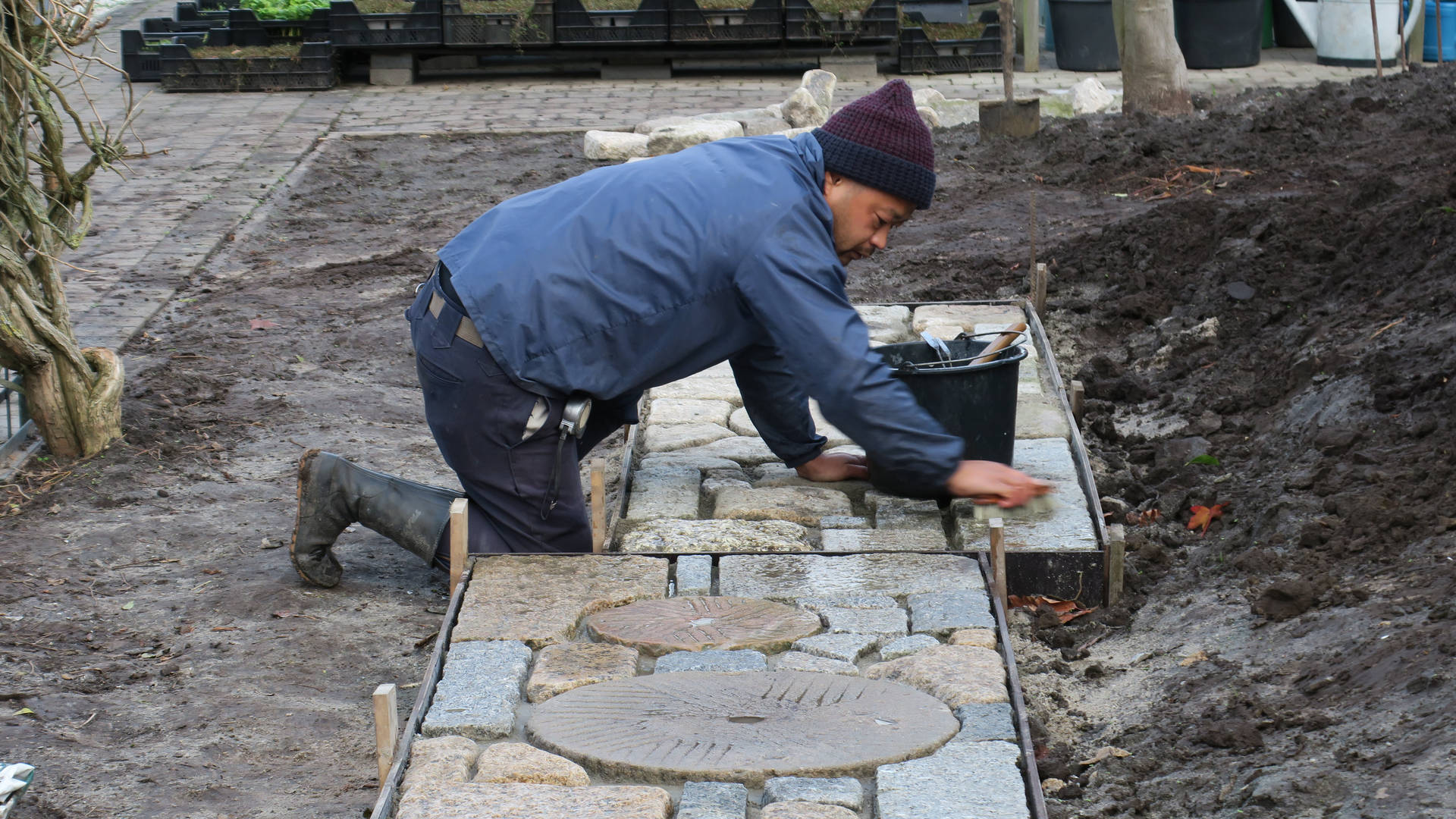
One of the most labor-intensive parts was the construction of the traditional Nobedan paths (延段). Our esteemed Japanese gardener Mizuno-san played an important role in this. With exceptional craftsmanship, carefully selected natural stones were hand-assembled into harmonious compositions. Antique millstones were also incorporated, with their round shapes providing a particularly striking contrast to the irregular granite. This method reflects the Japanese Wabi-Sabi philosophy, which values simplicity, natural irregularity, and impermanence.
The realization of this garden shows how much attention, patience, and specialized knowledge lie behind an authentic Japanese garden landscape. Every stone, tree, and structure contributes to the harmony of the whole. For Yokoso, this project reflects our passion for traditional Japanese garden architecture, where centuries-old techniques, refined craftsmanship, and respect for nature come together.
Details
- Year 2020
- Location Belgium
- Project duration 40 days
Authentic Japanese walking garden with a large pond in Belgium
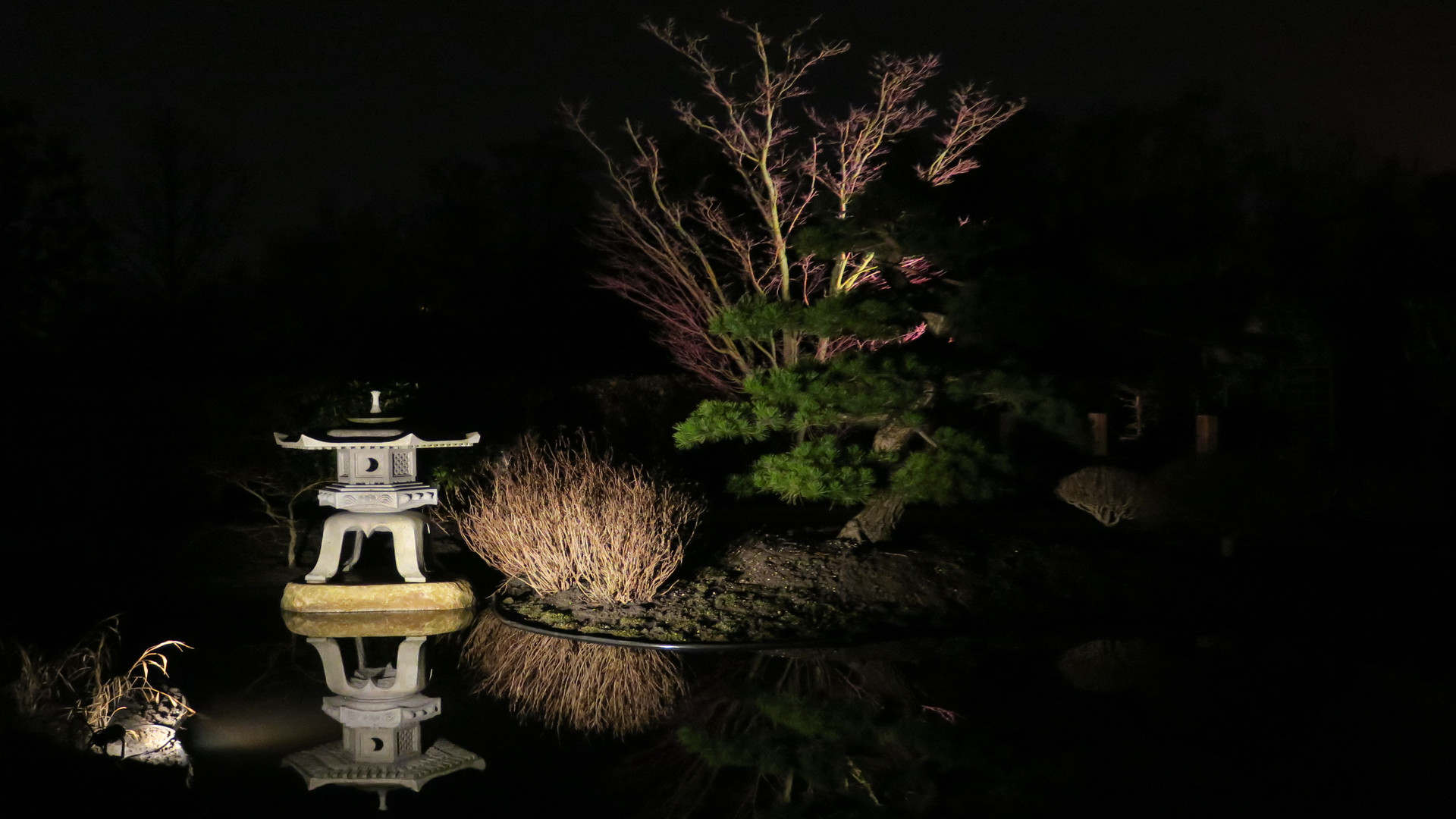
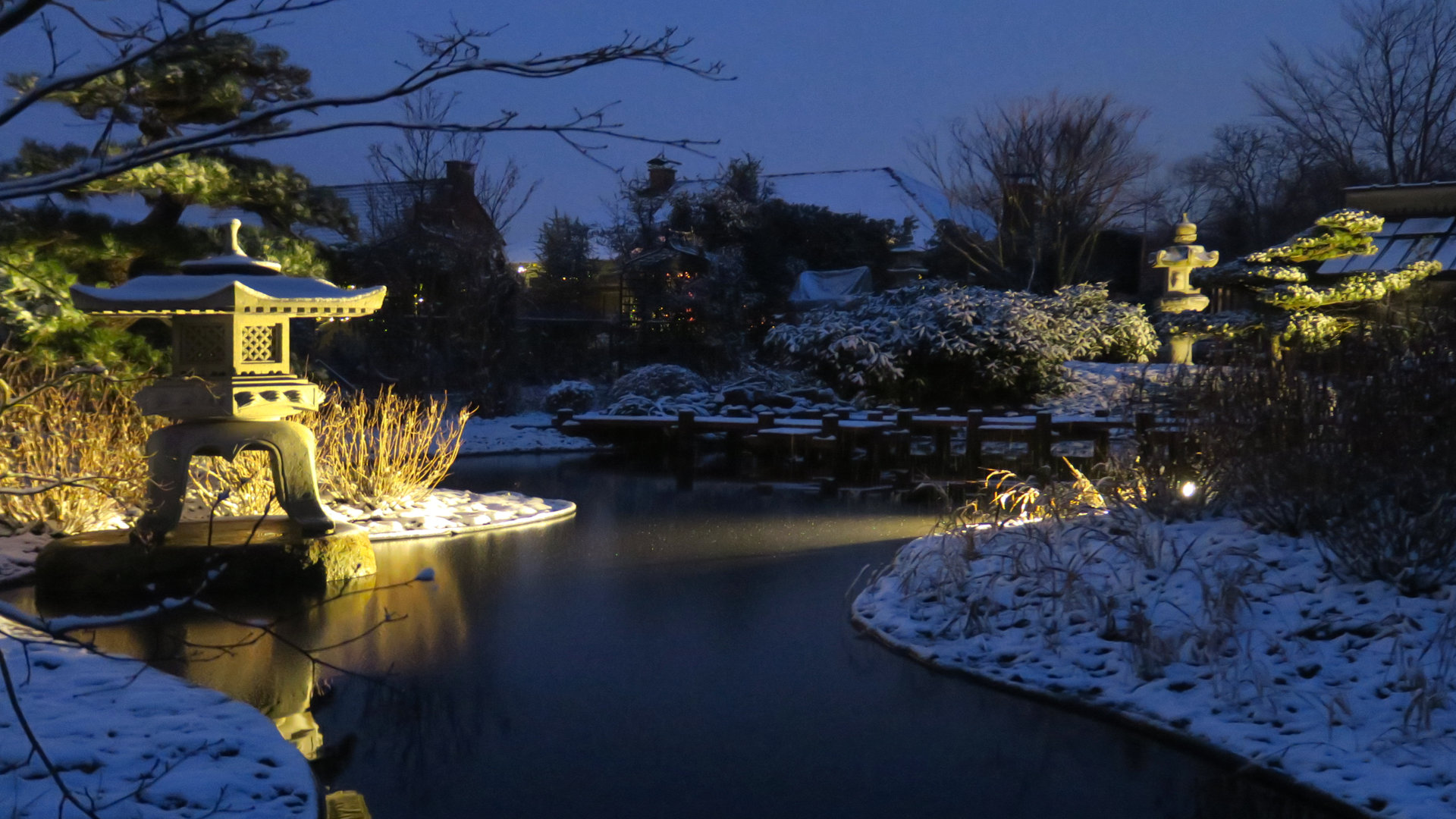
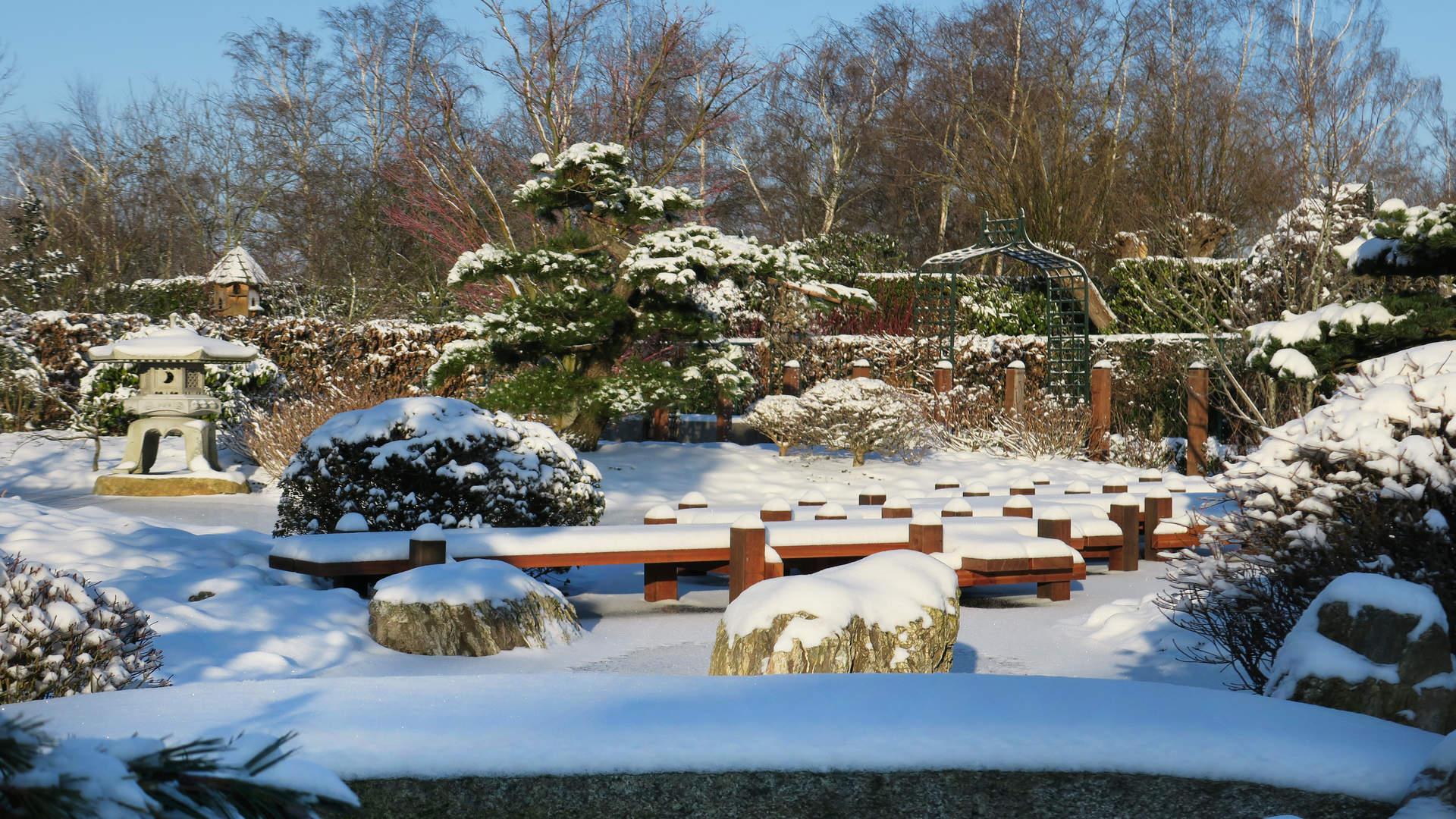
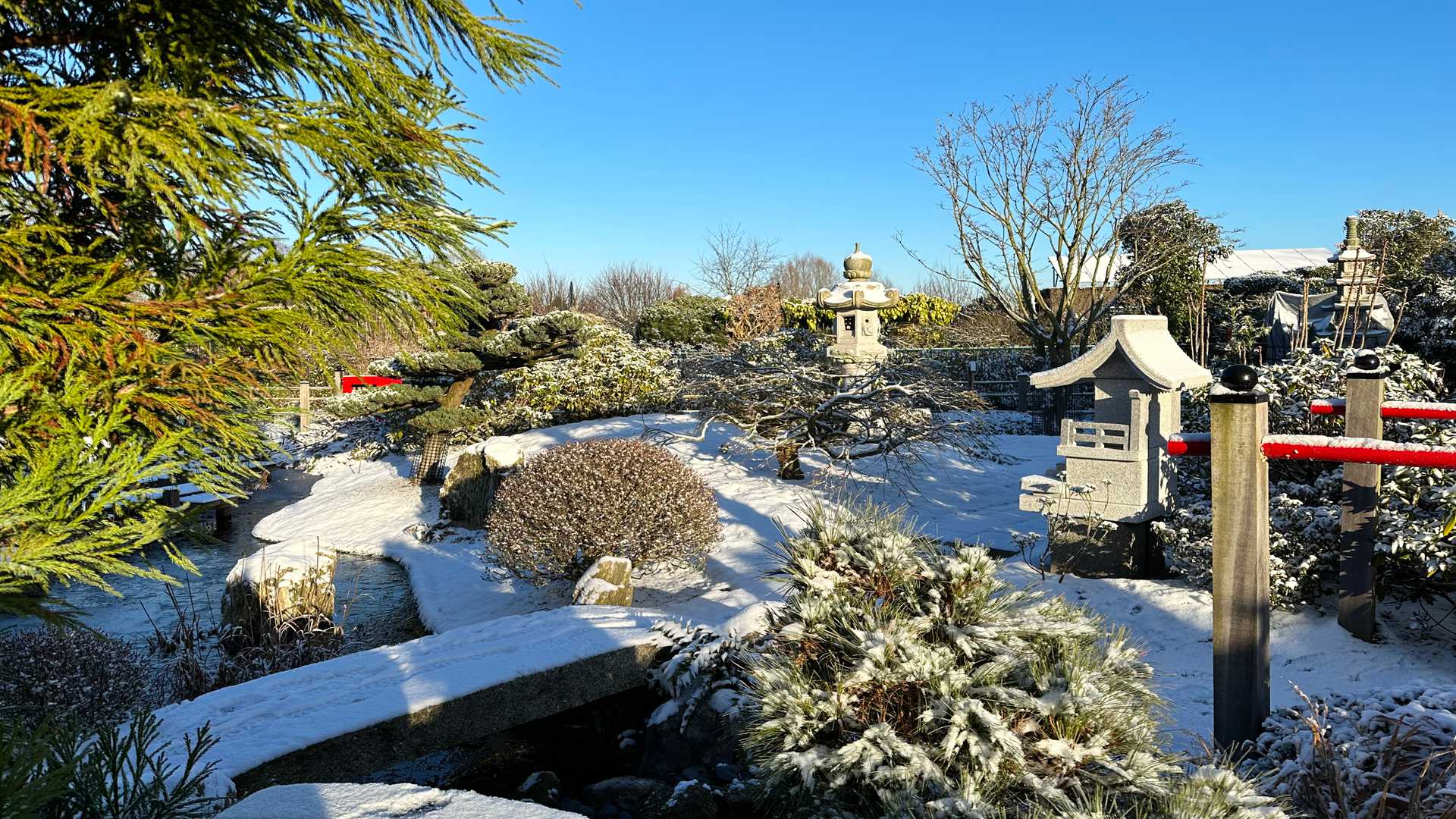
The end result is a mesmerizing Japanese garden where water, natural stone, vegetation, and traditional architecture blend to create a harmonious landscape. The centrally located pond forms the soothing heart of the garden and reflects the surrounding nature in a constantly changing interplay of light, color, and seasons. Carefully designed Nobedan paths and stepping stones naturally guide visitors through the landscape, with each turn revealing new perspectives and surprising glimpses.
Characteristic Japanese pines give the garden structure, character, and a sense of timeless maturity. Elms, azaleas, and irises add refined color accents and allow the landscape to change with the seasons. Traditional stone lanterns and water ornaments form serene landmarks, while the Koshikake provides a sheltered spot to enjoy the surroundings in peace and quiet.
The special quality of this garden lies not only in the authentic Japanese elements, but especially in the careful harmony between them. Every stone, the natural flow of the paths, and the balanced composition of the plantings have been deliberately coordinated to create a landscape in which no element stands alone but all contribute to a larger, harmonious whole. The project demonstrates how centuries-old Japanese garden principles can be authentically brought to life in a European environment, while retaining their original character and meaning.
For Yokoso, this garden embodies the essence of our philosophy: creating authentic Japanese garden landscapes where centuries-old knowledge, refined craftsmanship, and deep respect for nature come together.
Details
- Year 2020
- Location Belgium
- Project duration 40 days
 Nederlands
 English
 Deutsch (Sie)
 Français
 Español
 Polski
 Čeština
 Italiano