

Authentic Japanese Stone Pagodas
Showing 1–24 of 26 resultsSorted by latest
- YO02010034
€ 1.850,00YO02010034
- YO02010032
€ 7.450,00YO02010032
- YO02010030
€ 3.200,00YO02010030
- YO02010029
€ 19.500,00YO02010029
- YO02010028
€ 34.500,00YO02010028
- YO02010033
€ 2.950,00YO02010033
- YO02010027
Original price was: € 19.500,00.€ 17.500,00Current price is: € 17.500,00.YO02010027
- YO02010026
€ 3.250,00YO02010026
- YO02010024
€ 6.950,00YO02010024
- YO02010022
€ 6.950,00YO02010022
- YO02010020
€ 14.500,00YO02010020
- YO02010015
€ 9.500,00YO02010015
- YO02010014
€ 4.600,00YO02010014
- YO02010013
€ 5.650,00YO02010013
- YO02010010
€ 6.200,00YO02010010
- YO02010007
€ 6.400,00YO02010007
- YO02010031
€ 3.950,00YO02010031
- YO02010023
€ 2.950,00YO02010023
- YO02010021
€ 9.600,00YO02010021
- YO02010019
€ 13.950,00YO02010019
- YO02010018
€ 22.500,00YO02010018
- YO02010017
€ 28.500,00YO02010017
- YO02010016
€ 11.000,00YO02010016
- YO02010011
€ 2.950,00YO02010011
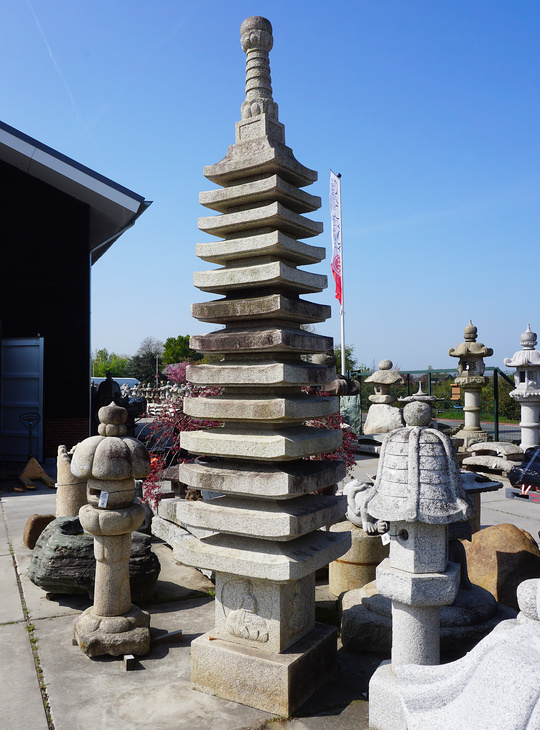
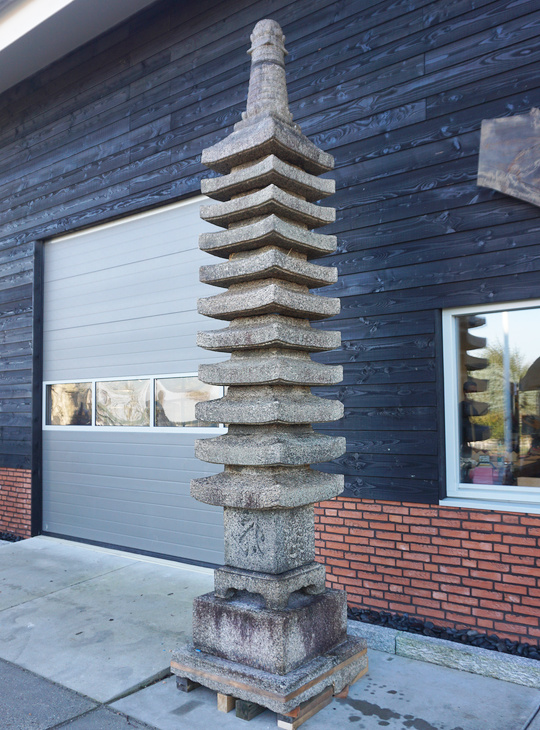
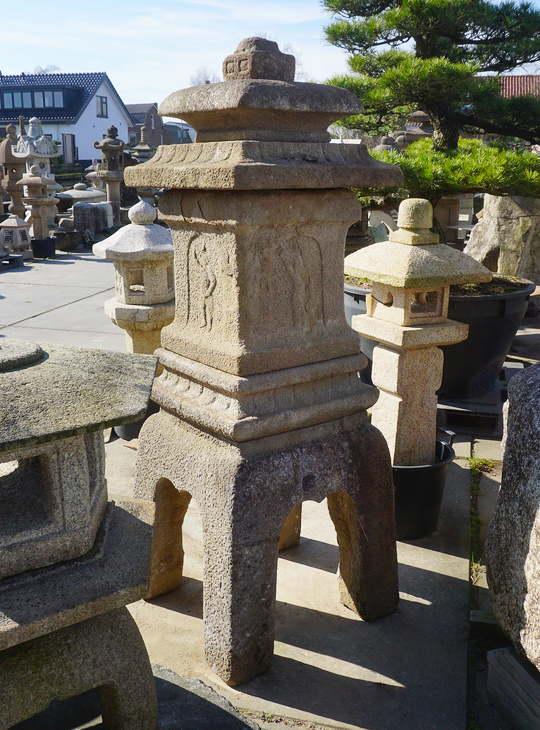
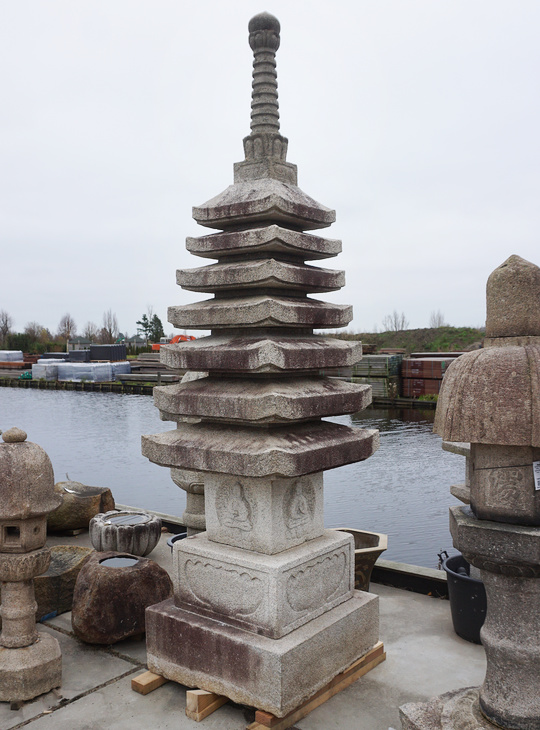
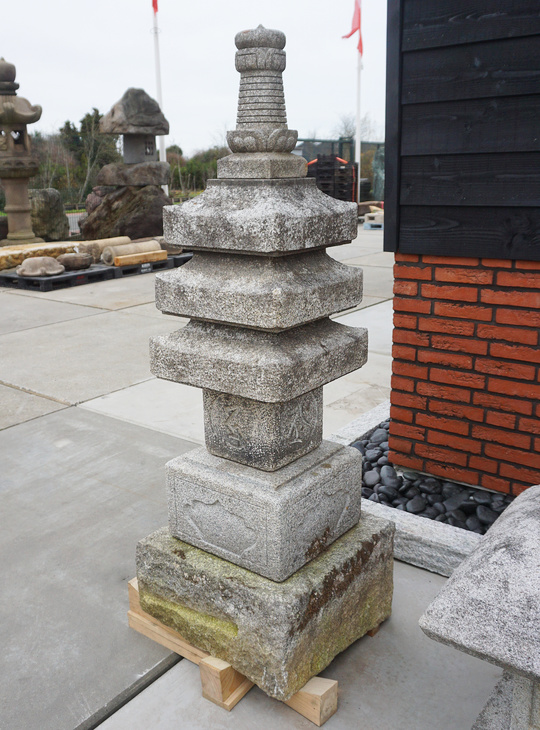
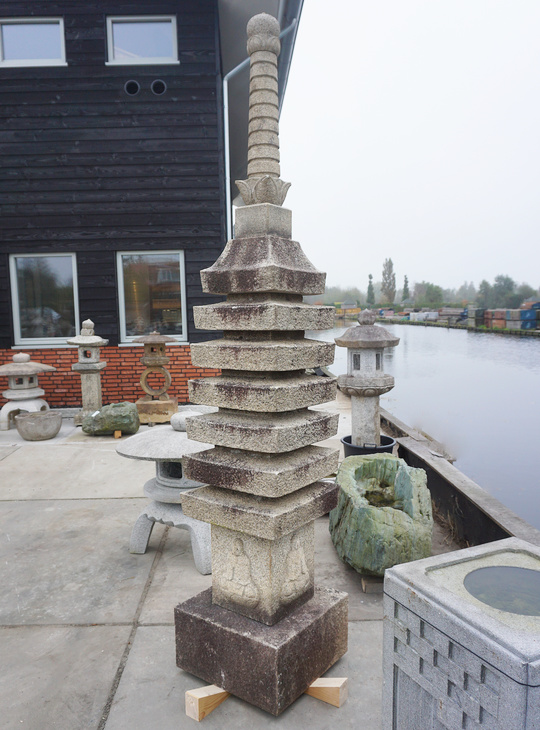
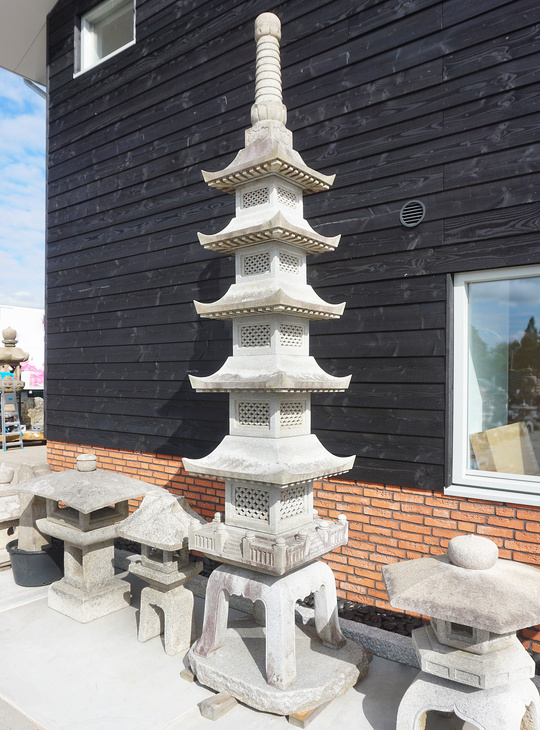
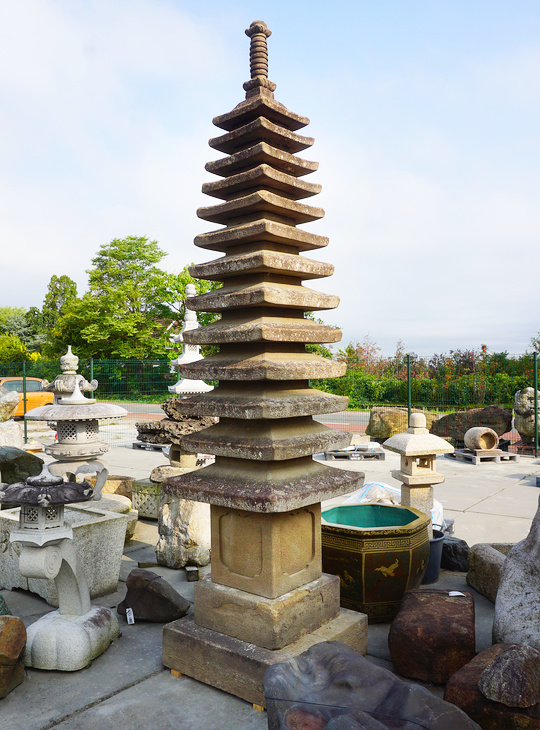
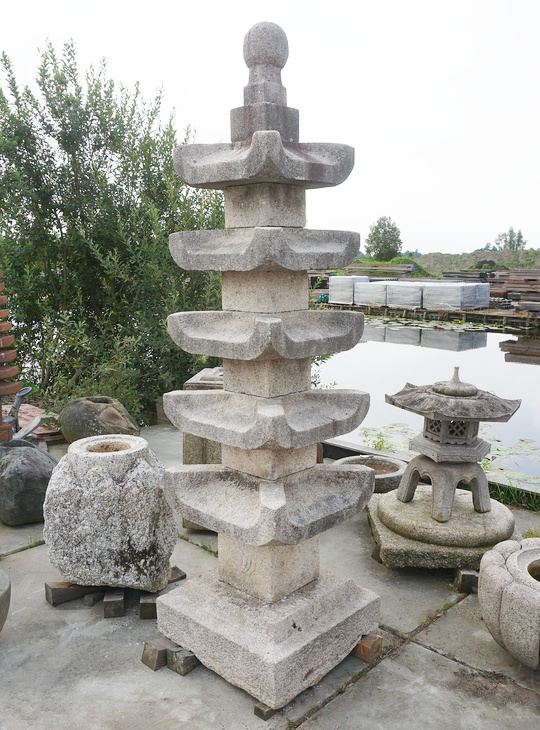
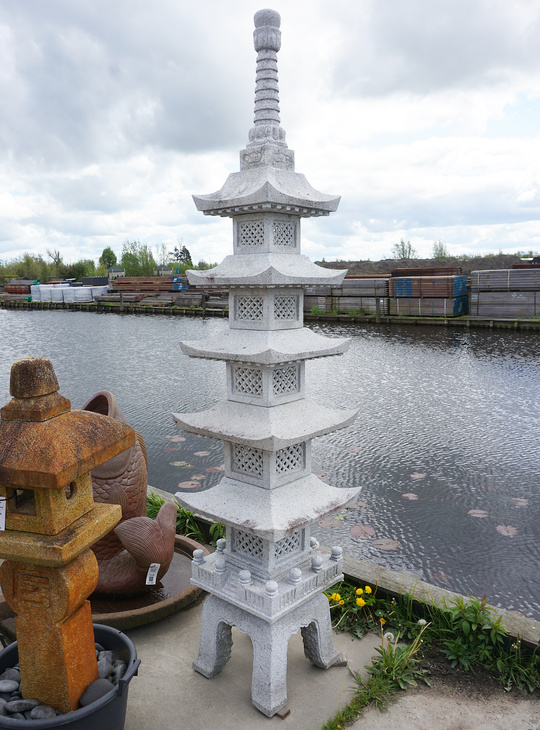
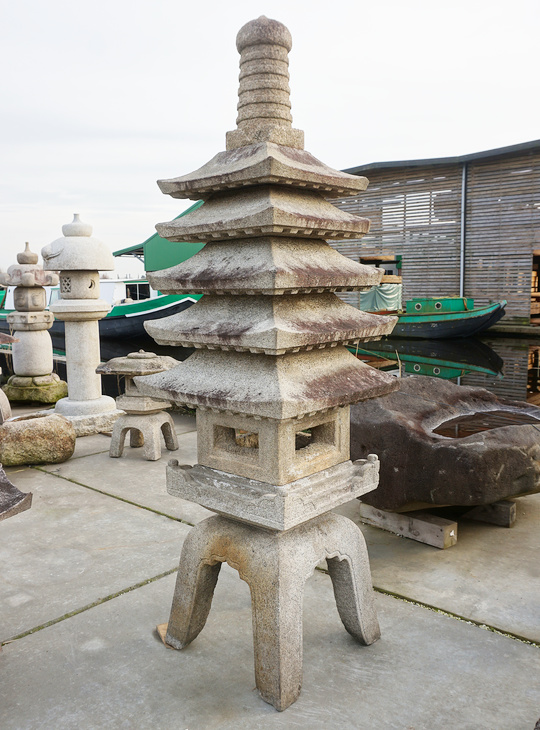
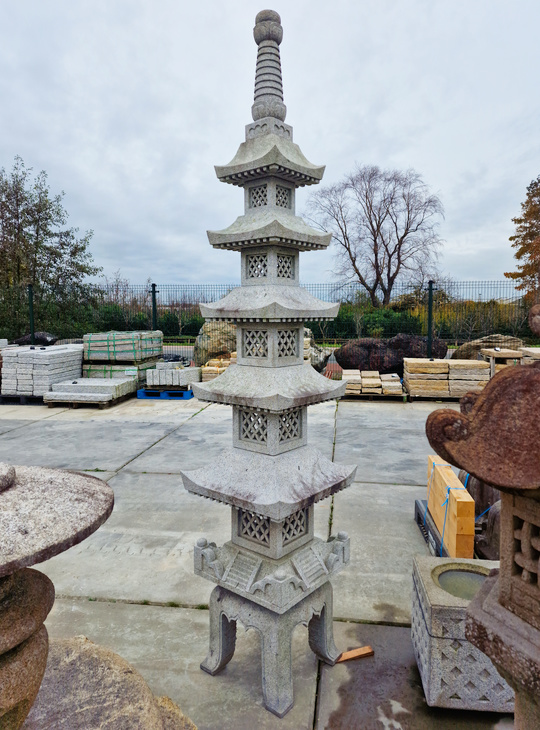
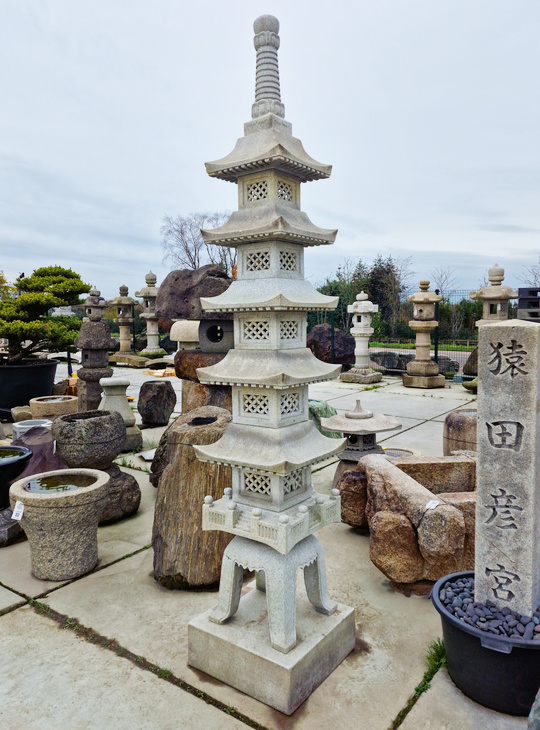
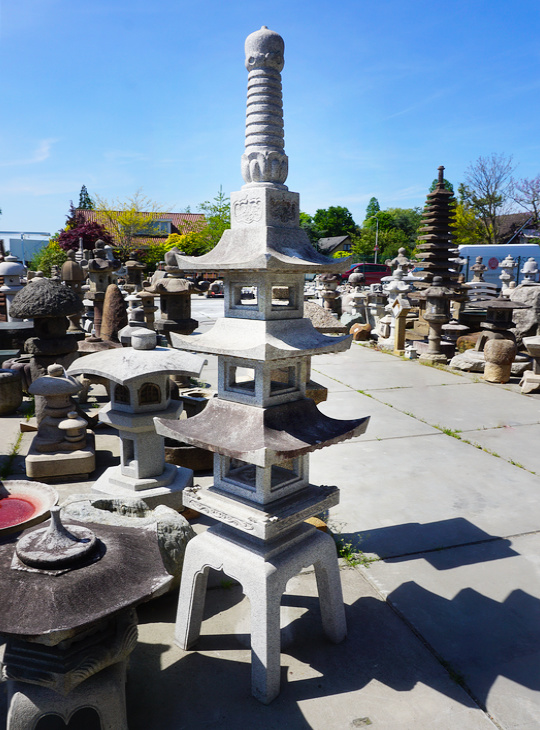
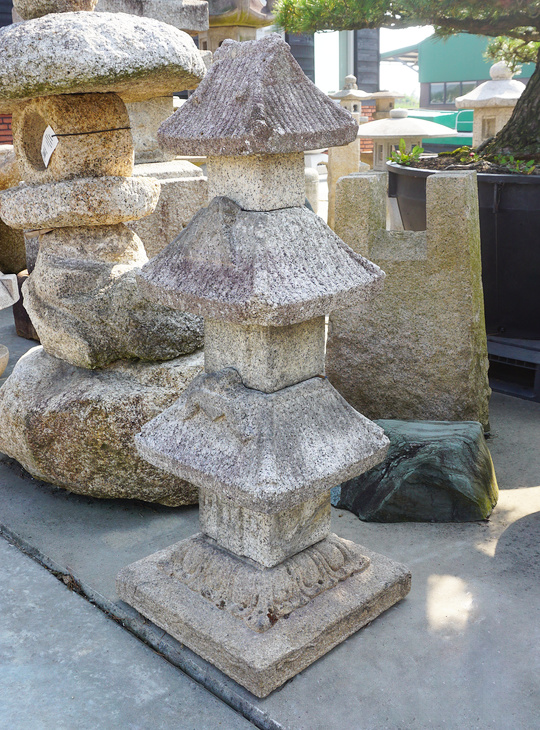
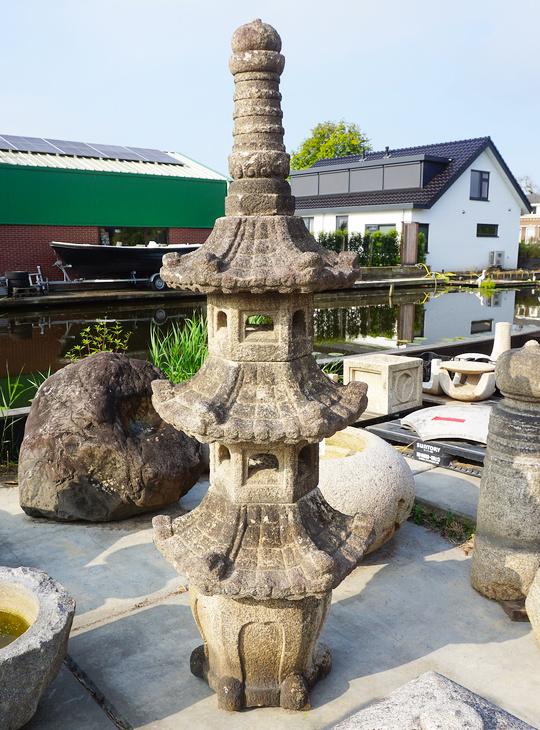
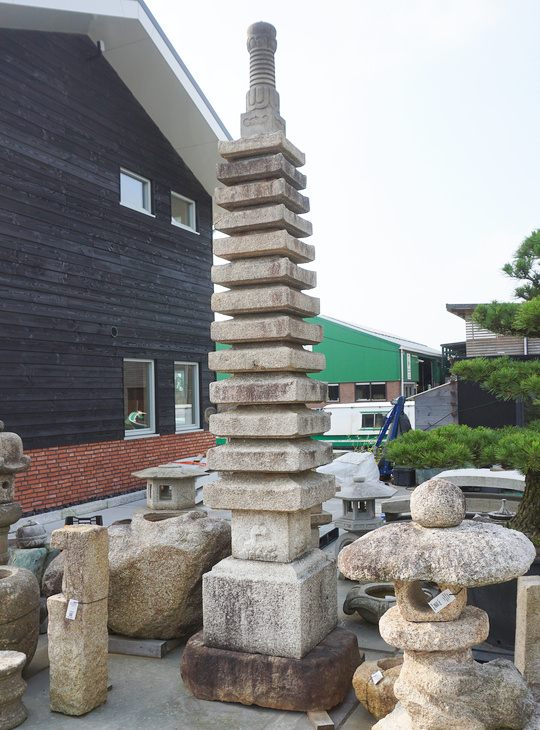
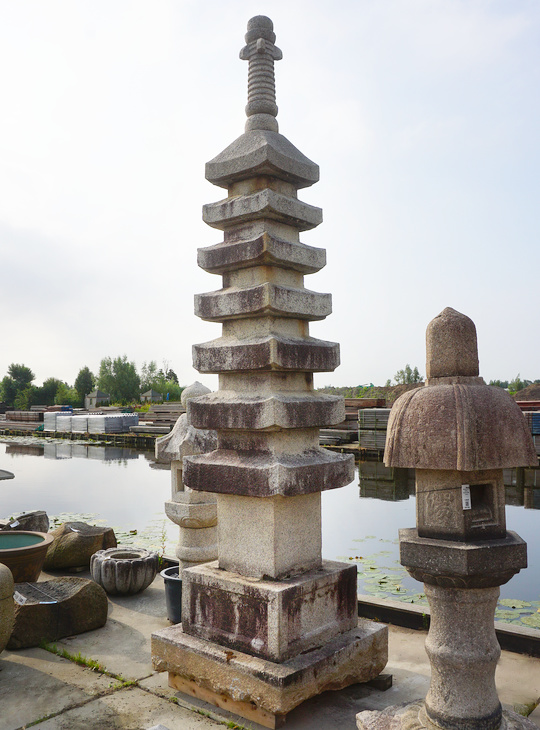
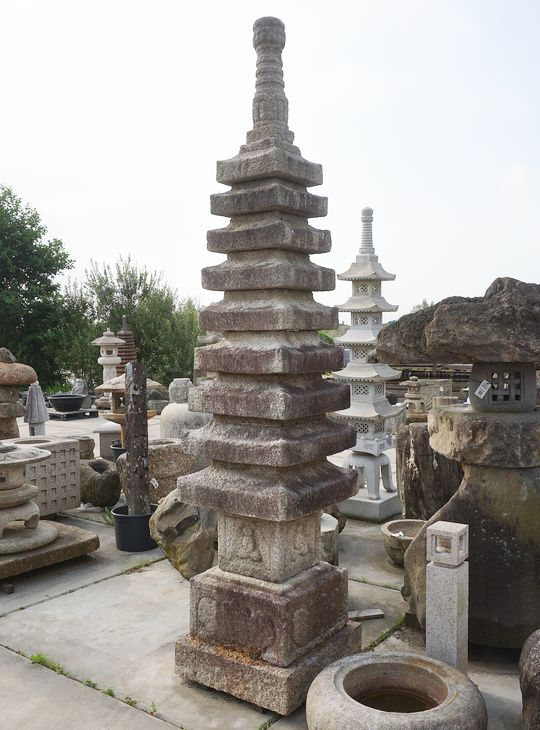
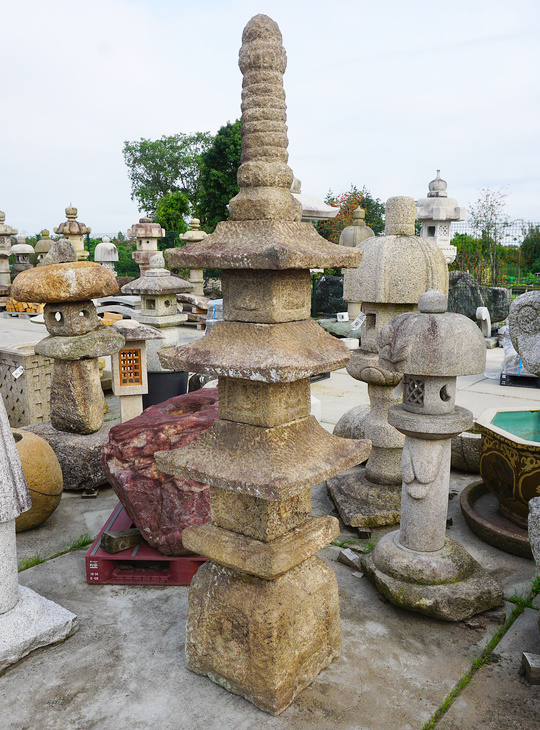
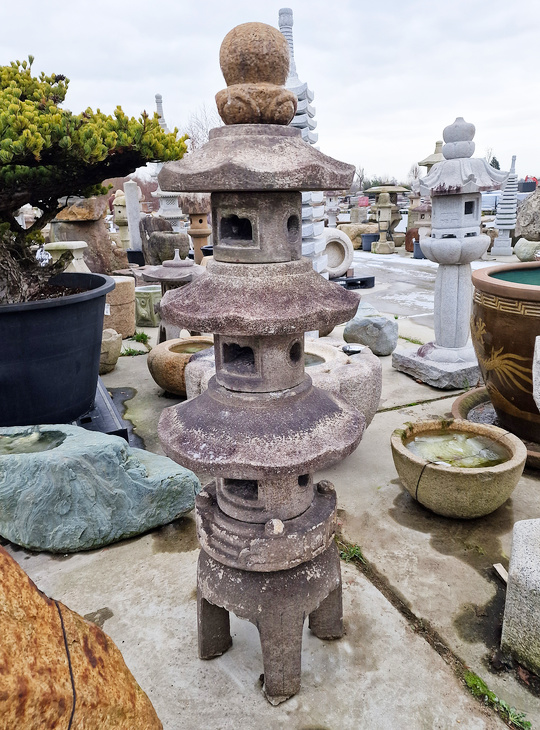
Japanese stone pagodas – authentic Sekitō for the Japanese garden
One Japanese stone pagoda is a special element within traditional Japanese garden architecture. In Japan, stone pagodas are referred to as Sekito, a collective name for various types of stone towers and Buddhist monuments. With their characteristic, often layered shapes and sophisticated details, these natural stone ornaments form an impressive accent among rocks, moss, vegetation, and water.
Bee Yokoso Japanese Gardens You will find an extensive collection of authentic Japanese stone pagodas of various heights, shapes, and styles. From monumental multi-tiered pagodas to smaller, understated examples: each pagoda has its own distinct appearance and history.
Various types of Japanese stone pagodas
Japanese stone pagodas have a rich history and are closely linked to the Buddhist tradition. They differ in shape, number of floors, ornamentation, and symbolic meaning.
Multi-layered pagodas – Tasōtō
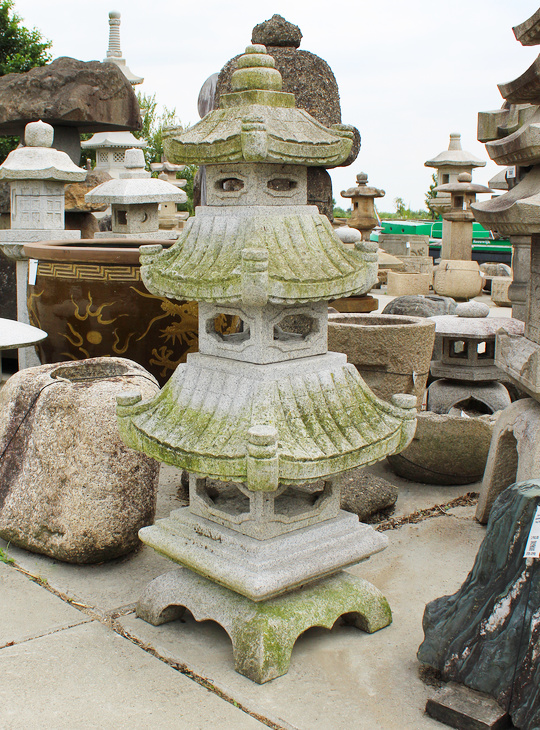
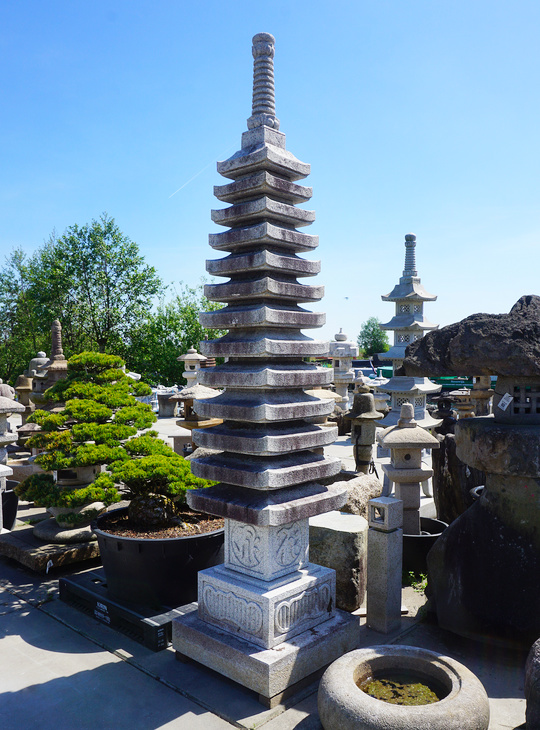
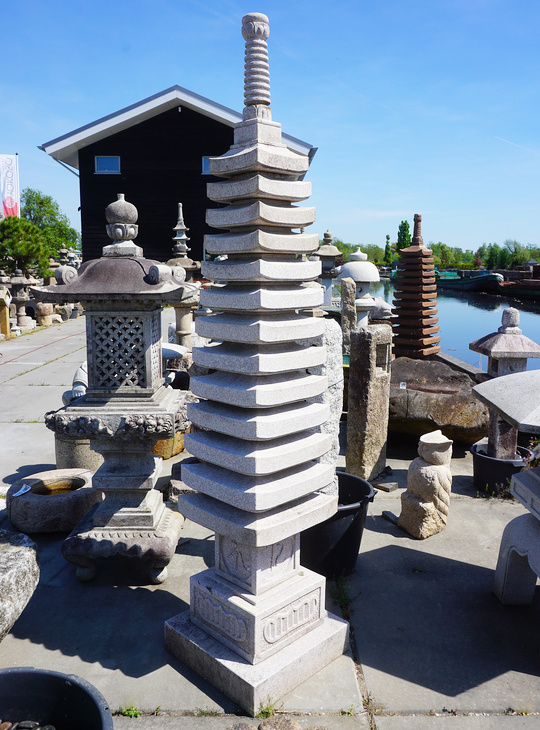
The Tasōtō is a traditional Japanese pagoda with multiple floors and characteristic excellent roofs. Common designs have three, five, seven, nine, or thirteen floors. Especially the five-story pagoda, also known as Gojū-no-tō The pagoda is a recognizable form within Japanese architecture. A multi-tiered stone pagoda forms a powerful vertical accent in a Japanese garden.
Gorintō – the five elements
The Gorintō Is a Japanese stone pagoda that consists of five symbolic shapes. These represent the elements of earth, water, fire, wind, and emptiness. Gorintō are originally Buddhist monuments and are also used as meaningful ornamentation in traditional Japanese gardens.
Hōkyōintō – sophisticated stone pagodas
The Hōkyōintō It stands out for its richly detailed construction, characteristic roof shape and decorative crowning. These stone pagodas have a historical connection to Buddhism and were built, among other things, as religious and commemorative monuments. Their sophisticated design makes them particularly suitable as architectural accents.
A Japanese stone pagoda as part of the garden design
One Japanese garden pagoda It is more than just a decorative object. Due to its vertical structure, a pagoda can add height, rhythm and depth to a garden composition. Especially in combination with natural rock formations, carefully trimmed trees, moss and gravel, it creates a characteristic Japanese look.
The right ratio between pagoda and surroundings is essential in this case. A large stone pagoda can form a striking centerpiece, while a smaller model can be subtly integrated into the landscaping and natural stone.
Where do you place a Japanese stone pagoda?
The placement of a stone pagoda depends on the available space, the size, and the desired appearance. Monumental pagodas are best suited in larger gardens, for example against a backdrop of trees or in a carefully chosen location within a rock composition.
In smaller Japanese gardens, a compact pagoda can actually create a particularly striking accent. An asymmetrical placement, partially surrounded by moss, ferns, or other vegetation, often results in a natural effect.
As with other traditional Japanese garden ornaments, natural weathering, patina, moss and lichen contribute to the character. This makes older stone pagodas increasingly blend into the landscape.
Buy Japanese stone pagodas at Yokoso Japanese Gardens
Are you looking for a Authentic Japanese stone pagoda for your gardenAt Yokoso Japanese Gardens you will find a special collection of natural stone pagodas from Japan, ranging from small traditional ornaments to impressive multi-layered examples.
Each pagoda has its own design, proportions, and appearance. When choosing a pagoda, not only the dimensions play a role, but also the relationship with other elements within the Japanese garden.
Yokoso Japanese Gardens specializes in Japanese garden architecture and authentic Japanese garden ornaments. We are happy to advise you on choosing a suitable stone pagoda and its proper placement within your garden design.
Frequently asked questions about Japanese stone pagodas
What is the name of a Japanese stone pagoda?
A Japanese stone pagoda is usually Sekito This term includes various types of stone towers and pagodas, including multi-tiered Tasōtō, Gorintō, and Hōkyōintō.
What does the number of floors of a Japanese pagoda mean?
Traditional multi-tiered Japanese pagodas usually have an uneven number of floors, such as three, five, seven, or nine. The five-story pagoda is often associated with the five elements of Buddhist cosmology. The number of layers is therefore part of both the architectural and symbolic meanings.
Which Japanese stone pagoda fits my garden?
That depends on the available space, the scale of the garden, and the desired appearance. A large multi-tiered pagoda forms a strong architectural accent, while a smaller Gorintō or compact stone pagoda may be better suited in an intimate Japanese garden.
Can a Japanese stone pagoda stand outside all year round?
Yes. Traditional natural stone pagodas are designed for outdoor use. Over time, exposure to weather and wind creates a natural patina. Moss and lichen can give the pagoda an authentic, weathered look. With stacked pagodas, a stable foundation and careful placement are important.
 Nederlands
 English
 Deutsch (Sie)
 Français
 Español
 Polski
 Čeština
 Italiano